In the world of manufacturing and design, sheet metal fabrication stands as a crucial process that allows for the creation of a wide range of products, from simple components to complex structures. This article delves into the various aspects of sheet metal fabrication, exploring its techniques, applications, and the technologies driving its evolution. Understanding these elements can significantly enhance your appreciation for this indispensable industry.
What is Sheet Metal Fabrication?
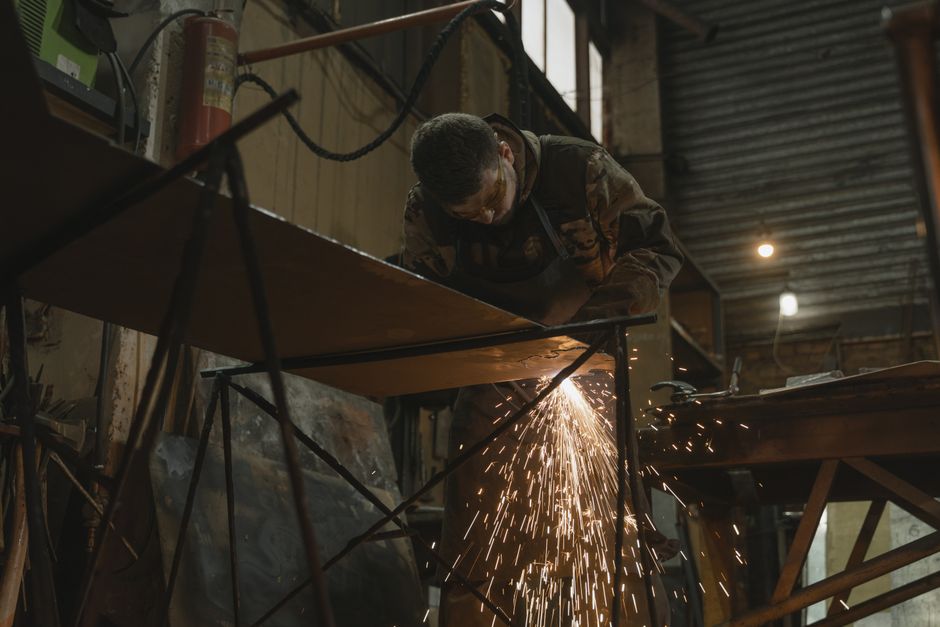
Sheet metal fabrication involves the process of transforming flat sheets of metal into various shapes and products. This process typically includes cutting, bending, and assembling the metal sheets to create the desired form. The materials used in sheet metal fabrication can range from aluminum and steel to copper and brass, each offering distinct advantages depending on the application.
The significance of sheet metal fabrication lies in its versatility and efficiency. With advancements in technology, fabricators can produce high-quality components that meet stringent tolerances, making it an essential component in industries such as automotive, aerospace, and construction.
Techniques Involved in Sheet Metal Fabrication
There are several key techniques utilized in sheet metal fabrication, each serving a unique purpose. One of the most common methods is laser cutting, which employs a focused beam of light to cut precise shapes in metal sheets. This technique is favored for its accuracy and ability to handle intricate designs.
Bending is another critical process in fabrication, where metal sheets are shaped into angles or curves. This is often achieved using press brakes, which apply force to bend the metal at specific points. Additionally, welding is frequently employed to join multiple pieces of metal together, creating strong and durable structures.
Applications of Sheet Metal Fabrication
Sheet metal fabrication finds applications across numerous sectors. In the automotive industry, it is used to manufacture body panels, chassis components, and brackets. The aerospace sector relies on fabricated parts for aircraft structures, control surfaces, and engine components, where weight and strength are crucial.
Beyond transportation, sheet metal fabrication is integral to the construction industry. It is used to create HVAC systems, roofing, and wall panels, contributing to energy efficiency and structural integrity. The versatility of sheet metal allows for innovative designs that enhance both functionality and aesthetics.
The Role of Technology in Sheet Metal Fabrication
Technological advancements have revolutionized sheet metal fabrication, introducing automation and digitalization into the process. Computer Numerical Control (CNC) machines enable precise cutting and shaping of metal sheets, significantly reducing the margin for error while increasing production speed.
Moreover, the integration of software solutions allows for better design and planning. Engineers can create detailed models and simulations, ensuring that the final product meets all specifications before fabrication begins. This shift towards automation and smart manufacturing is paving the way for more efficient and sustainable practices in the industry.
Future Trends in Sheet Metal Fabrication
As industries evolve, so too does the field of sheet metal fabrication. One notable trend is the increasing emphasis on sustainability. Fabricators are exploring eco-friendly materials and processes that minimize waste and energy consumption. This shift not only meets the demands of environmentally conscious consumers but also aligns with global sustainability goals.
Additionally, the rise of additive manufacturing, or 3D printing, is beginning to influence sheet metal fabrication. This technology allows for the creation of complex geometries that were previously impossible with traditional methods. As these technologies continue to develop, the future of sheet metal fabrication looks both exciting and promising.
Conclusion
Sheet metal fabrication is a vital process that plays a significant role in various industries, from automotive to construction. Understanding the techniques, applications, and technological advancements in this field can provide valuable insights for professionals and enthusiasts alike. As the industry continues to innovate and adapt to new challenges, the importance of sheet metal fabrication will only grow, shaping the future of manufacturing as we know it.