
Aviation insurance is a specialized form of insurance that covers the unique risks associated with flying and operating aircraft. In today’s world, where air travel is an integral part of both personal and commercial activities, understanding aviation insurance has become crucial for aircraft owners, operators, and aviation businesses alike. This article delves into the intricacies of aviation insurance, its types, and how it plays a vital role in ensuring safety and compliance in the aviation industry.
What is Aviation Insurance?
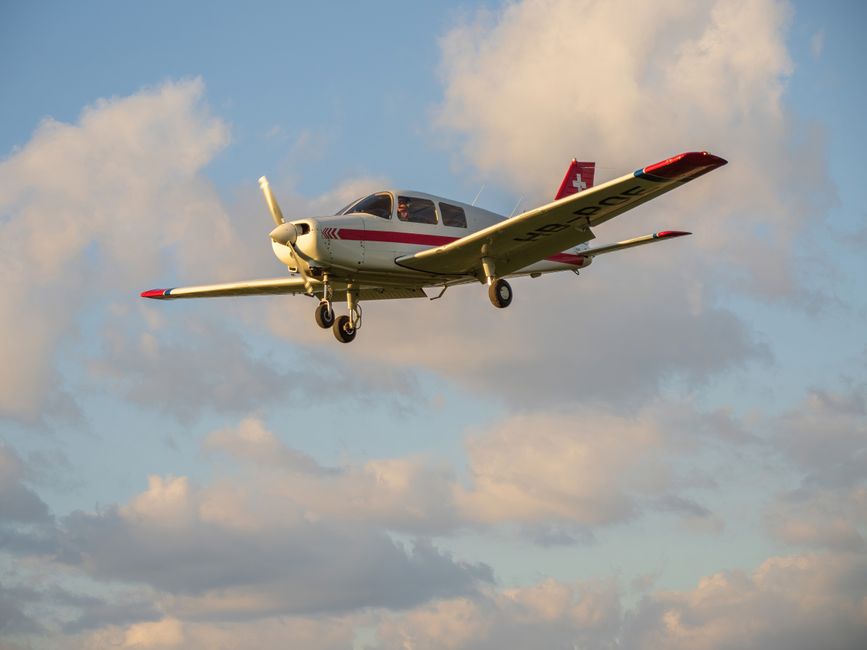
Aviation insurance refers to a range of insurance policies specifically designed to cover aircraft, pilots, and passengers against various risks associated with aviation activities. This type of insurance is essential for anyone involved in the aviation sector, including commercial airlines, private jet owners, flight schools, and maintenance facilities. The coverage can extend to liabilities arising from accidents, damage to the aircraft, and even loss of life.
For instance, commercial airlines often carry policies that cover their aircraft fleet, while private owners may choose to insure their individual planes against theft, damage, or liability claims. Understanding the nuances of these policies can help stakeholders make informed decisions about their coverage needs.
Types of Aviation Insurance
There are several types of aviation insurance, each catering to different needs within the aviation sector. The most common types include:
- Liability Insurance: This covers bodily injury and property damage caused by an aircraft accident. It is mandatory for commercial airlines and essential for private pilots.
- Hull Insurance: Hull insurance protects the aircraft itself against damage or loss. It can cover physical damage due to accidents, weather events, or vandalism.
- Passenger Insurance: This provides coverage for passengers in the event of an accident resulting in injury or death. It is crucial for commercial airlines to offer this protection.
- Ground Risk Insurance: This type covers damage to the aircraft while it is on the ground, including taxiing or during maintenance operations.
Each type of aviation insurance serves a specific purpose and can be tailored to meet the unique requirements of the insured party.
The Importance of Aviation Insurance
The significance of aviation insurance cannot be overstated. In the event of an accident, the financial implications can be devastating, not only for the aircraft owner but also for passengers and third parties. Aviation insurance mitigates these risks by providing necessary financial support and legal protection.
According to recent statistics, the aviation industry sees thousands of accidents each year, ranging from minor incidents to catastrophic events. Having proper aviation insurance can mean the difference between financial ruin and business continuity. Additionally, regulatory bodies often require proof of adequate insurance coverage before allowing operations, making it a legal necessity for many aviation businesses.
How to Choose the Right Aviation Insurance
Choosing the right aviation insurance requires careful consideration of various factors. Owners and operators should evaluate their specific needs, including the type of aircraft, its use, and the level of risk involved. Consulting with insurance brokers who specialize in aviation can provide valuable insights and help identify the best coverage options.
It’s also essential to compare quotes from multiple providers to ensure competitive rates. Understanding the terms and conditions of each policy is crucial, as coverage can vary significantly between insurers. Additionally, it’s advisable to review and update insurance policies regularly to reflect any changes in aircraft operations or regulatory requirements.
Conclusion
In conclusion, aviation insurance is a critical component of the aviation industry, providing essential coverage and peace of mind for aircraft owners and operators. As air travel continues to grow, understanding the complexities of aviation insurance will become increasingly important. Whether you operate a commercial airline or own a private aircraft, investing in appropriate aviation insurance is not just a matter of compliance—it’s a fundamental aspect of responsible aviation management. For those looking for comprehensive coverage, aviation insurance options are available to meet various needs.