
Organic farming is gaining significant traction worldwide as consumers demand healthier and more sustainable food options. This shift towards organic practices not only benefits the environment but also improves the quality of produce. However, transitioning to organic farming requires the right supplies and equipment to ensure success. In this article, we will explore the essential organic farming supplies you need to cultivate a productive and sustainable farm.
Understanding Organic Farming Supplies
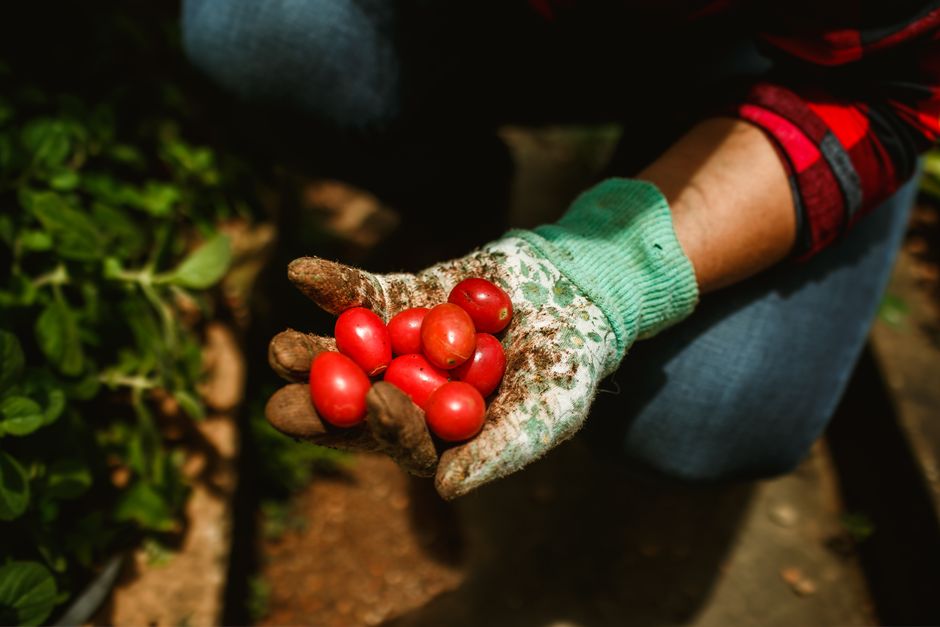
Organic farming supplies encompass a wide range of materials and tools necessary for growing crops without synthetic fertilizers and pesticides. These supplies are crucial for enhancing soil health, promoting biodiversity, and ensuring the sustainability of farming practices. From seeds to soil amendments, understanding what organic supplies are available can help farmers make informed decisions.
One of the fundamental aspects of organic farming is using organic seeds. These seeds are sourced from plants that have been grown according to organic standards, ensuring that they are free from genetic modification and synthetic treatments. Additionally, organic seeds often exhibit better resilience to pests and diseases, making them a preferred choice for organic farmers.
Another important category of supplies includes soil amendments such as compost, manure, and organic fertilizers. These materials enrich the soil with essential nutrients, enhancing its fertility and structure. Regular application of organic amendments can significantly improve crop yields and overall soil health.
Essential Tools for Organic Farming
In addition to seeds and soil amendments, having the right tools is essential for successful organic farming. Hand tools like hoes, rakes, and shovels are critical for soil preparation, planting, and weeding. For larger operations, tractors and specialized equipment designed for organic farming can help streamline processes while maintaining soil integrity.
For pest management, organic farmers often rely on integrated pest management (IPM) strategies. This approach combines physical, biological, and cultural methods to control pests while minimizing harm to beneficial organisms. Tools like insect traps, row covers, and organic pesticides are commonly used in conjunction with IPM practices.
Water management is another crucial aspect of organic farming. Efficient irrigation systems, including drip irrigation and rainwater harvesting, help conserve water and ensure that crops receive adequate moisture. Organic farming supplies also include biodegradable mulch and cover crops that enhance water retention in the soil.
Choosing the Right Organic Farming Supplies
Selecting the right organic farming supplies can often be overwhelming due to the plethora of options available. Farmers should consider their specific needs, the type of crops they are growing, and the local climate when making purchasing decisions. Consulting with local agricultural extension services or organic farming associations can provide valuable insights and recommendations.
Moreover, it’s essential to verify that the supplies you choose are certified organic. This certification guarantees that the products meet strict organic standards, ensuring the integrity of your farming practices. Many suppliers offer organic farming supplies that are clearly labeled, making it easier for farmers to make sustainable choices.
One reliable source for organic farming supplies is local co-ops or specialized online retailers. These suppliers often provide a wide array of organic products, from seeds to fertilizers, and can offer expertise in selecting the best supplies for your specific needs.
The Benefits of Using Organic Farming Supplies
Investing in organic farming supplies yields numerous benefits that extend beyond just improving crop yields. Organic practices contribute to healthier ecosystems, enhance biodiversity, and reduce pollution from synthetic chemicals. Additionally, organic farming can lead to improved soil health, which is vital for long-term agricultural sustainability.
Farmers who utilize organic supplies often report higher levels of customer satisfaction, as consumers increasingly seek out organic products. This demand can lead to premium pricing, allowing farmers to achieve better profitability. Furthermore, organic farming practices can improve community resilience by fostering local food systems and reducing dependence on imported goods.
In conclusion, embracing organic farming supplies is not only a step towards sustainable agriculture but also a commitment to healthier food systems and environments. By prioritizing organic practices and investing in quality supplies, farmers can contribute to a better future for both their communities and the planet.
Conclusion
Organic farming is a vital part of modern agriculture that emphasizes sustainability, health, and environmental stewardship. By understanding and utilizing the appropriate organic farming supplies, farmers can successfully navigate the challenges of organic production. Whether you are a seasoned organic farmer or just starting, the right tools and materials are essential for fostering a productive and sustainable farming operation.