
The construction industry is a vital sector that significantly contributes to the economic development of any country. From residential buildings to large-scale infrastructure projects, the construction sector encompasses a vast array of activities that are critical to societal progress. In this article, we will delve into the various facets of the construction industry, including its current trends, challenges, and future prospects.
Current Trends in the Construction Industry
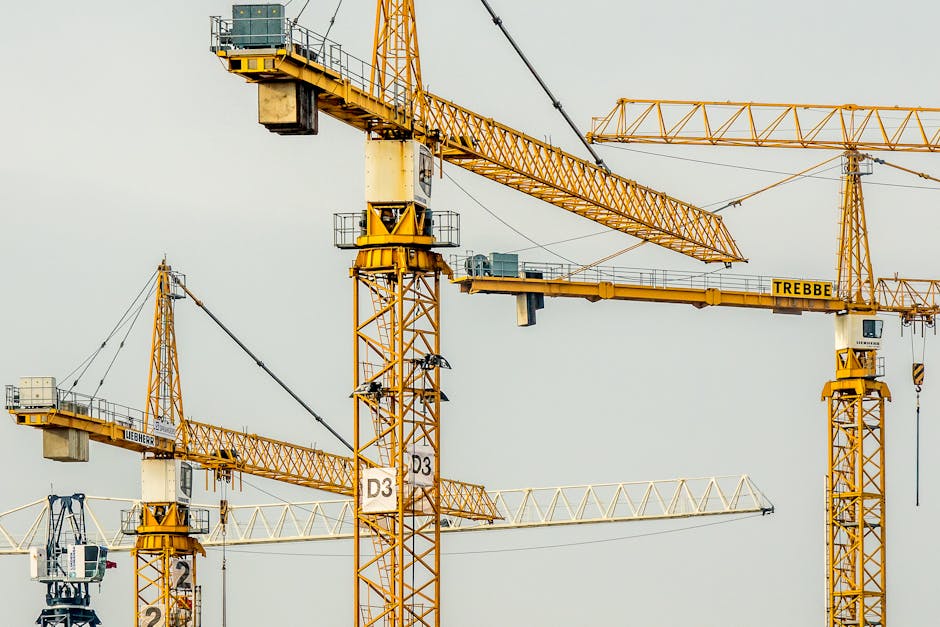
In recent years, the construction industry has witnessed several transformative trends that are reshaping how projects are conceived and executed. One of the most notable trends is the growing adoption of technology. Innovations such as Building Information Modeling (BIM), drones, and 3D printing are revolutionizing traditional construction practices. For instance, BIM allows for improved project visualization and collaboration among stakeholders, leading to enhanced efficiency and reduced costs.
Another trend is the increasing focus on sustainability. As environmental concerns become more pressing, construction companies are striving to implement eco-friendly practices. This includes using sustainable materials, minimizing waste, and incorporating energy-efficient designs in their projects. For example, many firms are now opting for green building certifications, which not only improve their marketability but also contribute to a healthier environment.
Moreover, the construction industry is experiencing a shift towards modular construction. This method involves prefabricating components in a factory setting before transporting them to the construction site. Modular construction can significantly reduce construction time and costs while maintaining quality standards.
Challenges Facing the Construction Industry
Despite the positive trends, the construction industry faces several challenges that can hinder its growth. One of the primary issues is the shortage of skilled labor. Many workers in the construction sector are nearing retirement age, and there are not enough younger workers entering the field to replace them. This skills gap can lead to project delays and increased labor costs.
Another challenge is the fluctuation of material costs. Prices for essential materials like steel and lumber can vary significantly due to market conditions, tariffs, and supply chain disruptions. These fluctuations can affect project budgets and timelines, making it imperative for construction firms to plan accordingly.
Additionally, regulatory hurdles and compliance issues can pose significant challenges for construction companies. Navigating the complex landscape of building codes, safety regulations, and zoning laws requires substantial resources and expertise.
Future Prospects of the Construction Industry
Looking ahead, the construction industry is poised for growth, driven by urbanization and infrastructure development. According to recent studies, global construction output is expected to increase significantly over the next decade, particularly in emerging markets. Cities around the world are investing in new transportation systems, housing developments, and public amenities to accommodate growing populations.
Furthermore, advancements in construction technology will continue to shape the industry’s future. The integration of artificial intelligence (AI) and the Internet of Things (IoT) into construction processes will enhance productivity and safety. For example, AI can be used to predict project risks and optimize resource allocation, while IoT devices can monitor site conditions in real-time, improving safety and efficiency.
Collaboration within the industry is also likely to increase. As projects become more complex, the need for coordinated efforts among architects, engineers, contractors, and suppliers will be paramount. This collaboration can be facilitated through networks and associations that promote best practices and knowledge sharing.
Importance of Networking in the Construction Industry
Networking plays a crucial role in the construction industry. Building relationships with other professionals can lead to opportunities for collaboration, partnerships, and business growth. Organizations and networks, such as the construction network charlotte nc, provide platforms for construction professionals to connect, share insights, and support one another in navigating industry challenges.
Through networking, construction professionals can stay informed about the latest trends, technologies, and best practices. Participating in industry events, seminars, and workshops can also enhance one’s knowledge and skills, making them more competitive in the job market.
Furthermore, networking can facilitate access to resources and funding, which are critical for project success. Establishing strong relationships within the industry can lead to referrals and recommendations, ultimately contributing to business growth and sustainability.
Conclusion
The construction industry is a dynamic field that plays a pivotal role in shaping our built environment. While it faces challenges, the opportunities for growth and innovation are immense. By embracing technology, fostering sustainable practices, and prioritizing networking, construction professionals can navigate the complexities of the industry and contribute to its ongoing evolution. As we look to the future, the potential for the construction sector to drive economic and social progress remains as strong as ever.