
In the world of design, commercial interior designers play a vital role in shaping the environments where we work, shop, and socialize. Unlike residential design, which focuses on personal home aesthetics, commercial interior design emphasizes functionality, branding, and the overall experience of the users within a space. This article explores the significance of commercial interior designers, their processes, and the impact they have on business success.
The Importance of Commercial Interior Design
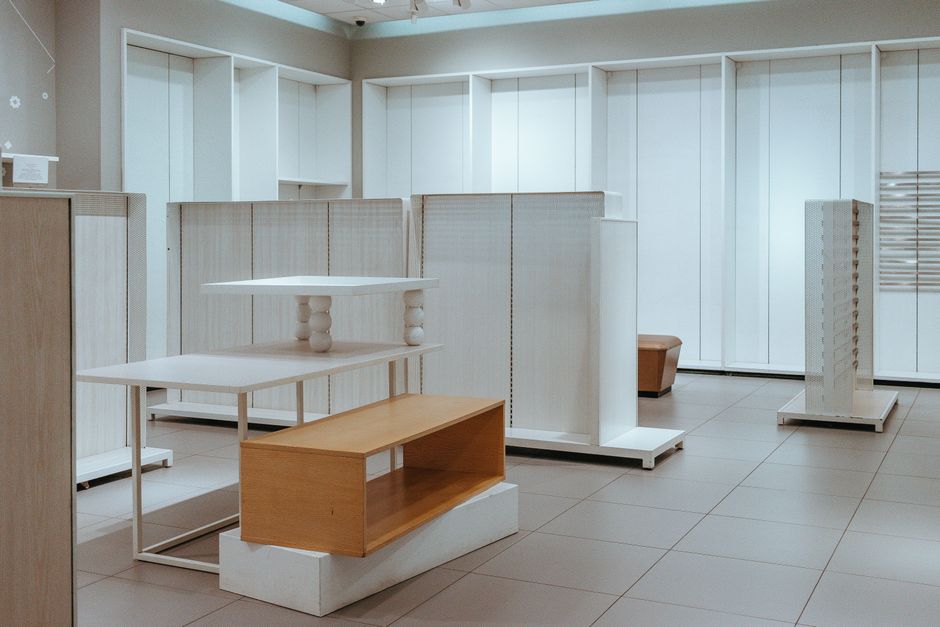
Commercial interior design is not just about making a space look good; it is about creating environments that enhance brand identity, improve employee productivity, and increase customer satisfaction. According to a study by the American Society of Interior Designers (ASID), well-designed workplaces can boost employee productivity by up to 20%. This statistic highlights the importance of engaging a skilled commercial interior designer who understands the nuances of creating effective workspaces.
Moreover, commercial spaces need to reflect the values and goals of the organization. For instance, a tech startup may prefer an open, collaborative layout to foster innovation, while a law firm might opt for a more traditional, formal design. This alignment of space with company culture is a key responsibility of commercial interior designers.
The Design Process
The design process typically begins with understanding the client’s needs and the purpose of the space. This involves conducting interviews, surveys, and research to gather insights. Once a clear understanding is established, designers move on to the conceptual phase, where initial ideas and layouts are presented.
Next, the design is developed further, incorporating elements such as color schemes, materials, and furniture selections. During this phase, commercial interior designers must also consider factors such as building codes, accessibility standards, and sustainability. This comprehensive approach ensures that the final design is not only aesthetically pleasing but also functional and compliant with regulations.
Case Studies: Successful Commercial Designs
To illustrate the impact of commercial interior design, let’s examine a few successful case studies. One notable example is the redesign of the Airbnb headquarters in San Francisco. The design reflects the company’s brand ethos of belonging and community, featuring open spaces, collaborative areas, and localized decor that represents various cultures. This transformation not only enhanced the work environment but also reinforced Airbnb’s brand identity.
Another example is the global coffee chain Starbucks, which invests significantly in its store designs to create a unique customer experience. Each store is tailored to fit its location, blending local culture with the brand’s signature style. This thoughtful approach to design has been a key factor in Starbucks’ global success, proving that effective commercial interior design can foster customer loyalty and brand recognition.
Trends in Commercial Interior Design
As the world evolves, so do design trends. Current trends in commercial interior design emphasize sustainability, technology integration, and biophilic design, which incorporates natural elements into the built environment. These trends reflect a growing awareness of environmental issues and a desire to create healthier, more engaging spaces.
For example, many designers are now using sustainable materials and energy-efficient lighting to minimize the ecological impact of their projects. Additionally, technology is becoming increasingly integrated into commercial spaces, with smart office solutions that enhance productivity and user experience. By staying ahead of these trends, commercial interior designers can create spaces that are not only current but also future-proof.
Choosing the Right Commercial Interior Designer
Selecting the right commercial interior designer is crucial for the success of any project. Clients should look for designers with a proven track record, relevant experience, and a portfolio that showcases their style and capabilities. Communication is also key; a good designer should be able to listen to the client’s needs and provide creative solutions that align with their goals.
Additionally, it is beneficial to choose a designer who is familiar with the local market and can navigate specific regulations and requirements. By investing time in the selection process, businesses can ensure that their design project will meet expectations and contribute positively to their brand.
Conclusion
In conclusion, commercial interior designers are essential to creating spaces that are not only functional but also reflective of a company’s identity and values. Their expertise can lead to improved employee productivity, enhanced customer experiences, and ultimately, business success. As trends continue to evolve, the role of commercial interior designers will only become more critical in shaping the future of work and commercial environments.