
Chemical peel treatments have gained immense popularity in recent years as an effective solution for various skin concerns. From acne scars to uneven skin tone, these treatments promise to rejuvenate the skin and enhance its appearance. But what exactly is a chemical peel, and how does it work? In this article, we will explore the different types of chemical peels, their benefits, potential risks, and what one should consider before undergoing such a treatment.
Understanding Chemical Peels
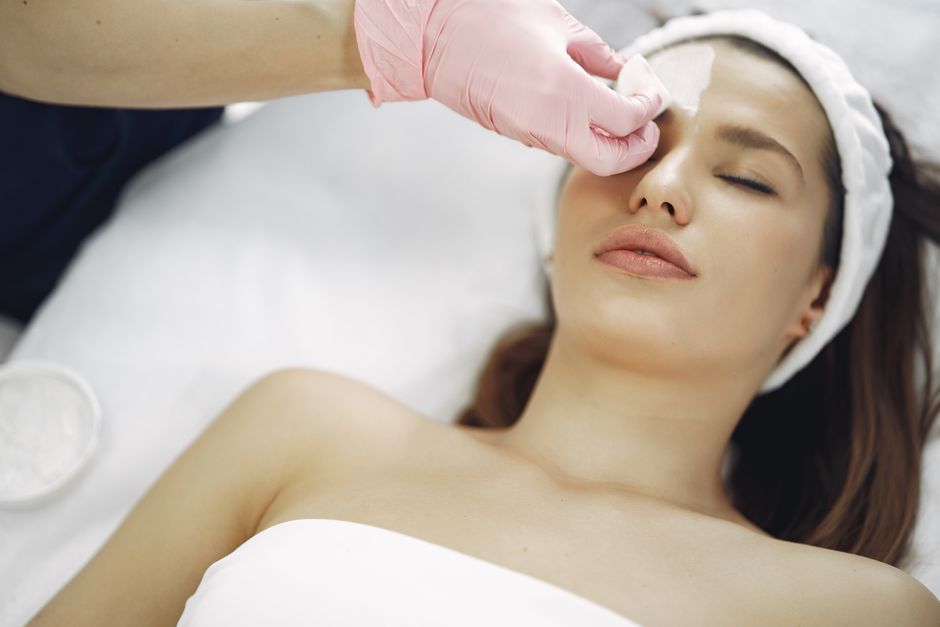
A chemical peel is a skin treatment that involves the application of a solution to exfoliate the skin and promote new skin growth. The solution used can vary in strength and type, including alpha hydroxy acids (AHAs), beta hydroxy acids (BHAs), and trichloroacetic acid (TCA). Each type targets different skin issues, making it crucial to choose the right peel based on individual needs.
There are three primary categories of chemical peels: superficial, medium, and deep. Superficial peels are the mildest and often use AHAs to lightly exfoliate the outer layer of skin. Medium peels penetrate deeper and typically use TCA, while deep peels reach the dermis and can provide more dramatic results but require longer recovery times.
Patients seeking treatment for conditions such as hyperpigmentation, fine lines, and rough texture often opt for chemical peels as they can offer significant improvements in skin appearance. For those considering this treatment, understanding the different types available is essential.
Benefits of Chemical Peels
The benefits of chemical peels are extensive and can lead to a marked improvement in skin health and appearance. One of the primary advantages is the ability to treat a variety of skin issues in a single session. Many patients report smoother, brighter skin within days of treatment.
Furthermore, chemical peels can stimulate collagen production, which is crucial for maintaining skin elasticity and reducing signs of aging. This makes them an excellent choice for individuals looking to achieve a youthful appearance without invasive procedures.
Another significant benefit is the minimal downtime associated with superficial and medium peels. Many patients can resume their daily activities shortly after treatment, making it a convenient option for those with busy lifestyles. However, deep peels may require more extensive recovery time, and patients should discuss this with their dermatologist.
Potential Risks and Considerations
While chemical peels offer numerous benefits, there are also potential risks involved. Common side effects include redness, peeling, and sensitivity in the treated area. In some cases, patients may experience pigmentation changes or scarring, particularly with deeper peels.
It is crucial for individuals to have a thorough consultation with a qualified dermatologist before undergoing a chemical peel. During this consultation, patients should discuss their medical history, current skin conditions, and any medications they are taking. This information will help the dermatologist recommend the most suitable peel for the patient’s skin type and concerns.
Additionally, patients should adhere to pre- and post-treatment care instructions provided by their dermatologist to minimize risks and enhance results. This may include avoiding sun exposure, using gentle skincare products, and moisturizing adequately.
Preparing for a Chemical Peel
Preparation for a chemical peel is essential to ensure optimal results. Before undergoing the treatment, patients should follow specific guidelines provided by their dermatologist. This typically includes avoiding certain medications, such as retinoids, for a period leading up to the peel.
In the days leading up to the treatment, maintaining a consistent skincare routine that includes gentle cleansing and moisturizing can help prepare the skin. Patients are also advised to avoid sun exposure, as this can increase the risk of complications during and after the peel.
On the day of the treatment, patients should arrive with clean skin free of makeup and skincare products. The dermatologist will then apply the chemical solution to the skin, and patients may feel a tingling sensation during the process. It is essential to communicate with the dermatologist about any discomfort experienced during the treatment.
Aftercare and Recovery
Post-treatment care is critical for achieving the best results from a chemical peel. Patients should expect some redness and peeling in the treated area, which is a normal part of the healing process. Following the dermatologist’s aftercare instructions can significantly influence the outcome.
Moisturizing the skin regularly and using a gentle cleanser are essential steps in the aftercare routine. Patients should also avoid picking at peeling skin, as this can lead to scarring and pigmentation issues.
Furthermore, sun protection is vital after a chemical peel. The skin will be more sensitive to UV rays, and using a broad-spectrum sunscreen with an SPF of at least 30 is recommended to prevent damage and hyperpigmentation. Engaging in sun-safe practices can help maintain the results of the peel and promote overall skin health.
Conclusion
Chemical peel treatments can be a transformative option for those looking to enhance their skin’s appearance and address various skin concerns. With the right knowledge and preparation, individuals can enjoy the benefits while minimizing risks. It is essential to consult with a qualified dermatologist to determine the best approach and ensure a safe and effective treatment. For those considering this option, a well-planned chemical peel can lead to rejuvenated skin and increased confidence.
For more information on chemical peel treatment options and procedures, consult a medical professional.