
In the aviation industry, the safety and efficiency of aircraft operations hinge significantly on the quality of maintenance services provided. Aircraft maintenance companies play a crucial role in ensuring that planes are not only flight-ready but also safe for passengers and crew. This article delves into the essential functions, types, and benefits of aircraft maintenance companies, highlighting their importance in the aviation ecosystem.
The Importance of Aircraft Maintenance
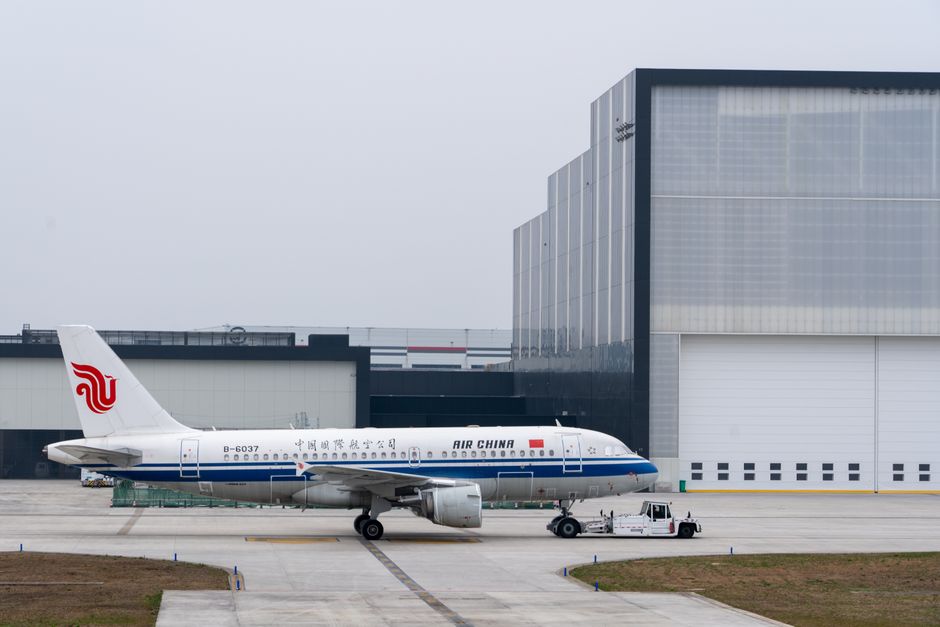
Aircraft maintenance is a multifaceted process that involves regular inspections, repairs, and modifications to ensure that aircraft meet stringent safety standards. According to the Federal Aviation Administration (FAA), proper maintenance can prevent accidents, reduce downtime, and extend the lifespan of aircraft. Neglecting these services can lead to significant operational disruptions and safety hazards.
For example, a well-maintained aircraft can operate up to 30% more efficiently compared to one that has not undergone regular inspections. This efficiency not only saves fuel but also contributes to lower operational costs for airlines. Thus, aircraft maintenance is not merely a regulatory requirement but a strategic investment in the airline’s overall performance.
Types of Aircraft Maintenance Services
Aircraft maintenance companies offer various services, categorized mainly into three types: line maintenance, base maintenance, and heavy maintenance. Line maintenance includes routine checks that are conducted quickly to ensure aircraft readiness for flights. This can involve tasks such as checking fluid levels, tire pressure, and other critical components.
Base maintenance, on the other hand, involves more extensive work that may require the aircraft to be grounded for a longer period. This could include major repairs, structural inspections, and upgrades. Lastly, heavy maintenance is a comprehensive overhaul that occurs at set intervals, often involving complete disassembly and reassembly of the aircraft.
Each of these maintenance types is crucial for different stages of an aircraft’s lifecycle, and aircraft maintenance companies are equipped to handle these varying needs efficiently. They employ a team of certified technicians and engineers trained to address specific aircraft models and their unique requirements.
The Role of Technology in Aircraft Maintenance
As technology continues to evolve, aircraft maintenance companies are increasingly incorporating advanced technologies into their operations. Predictive maintenance tools, for instance, utilize data analytics and machine learning to anticipate potential failures before they occur. This proactive approach not only enhances safety but also minimizes unexpected downtime.
Moreover, the use of drones for inspections has gained traction, allowing technicians to assess hard-to-reach areas without compromising safety. These technological advancements not only improve efficiency but also reduce the costs associated with traditional inspection methods.
Choosing the Right Aircraft Maintenance Company
Selecting an aircraft maintenance company is a critical decision for airlines and aircraft operators. Factors to consider include the company’s certification, reputation, experience, and the range of services offered. A reputable aircraft maintenance company should have a proven track record of compliance with industry regulations and a commitment to quality service.
Furthermore, the geographical location of the maintenance facility can impact turnaround times and overall service efficiency. Companies with multiple locations may offer more flexibility in scheduling maintenance, thereby minimizing disruption to flight operations.
The Future of Aircraft Maintenance
The future of aircraft maintenance appears promising, driven by continuous technological advancements and a growing emphasis on sustainability. As the aviation industry seeks to reduce its carbon footprint, maintenance companies are exploring eco-friendly practices, such as the use of biofuels and sustainable materials in repairs.
In addition, the integration of artificial intelligence and automation is expected to further revolutionize the industry, enabling even greater efficiencies and safety improvements. As these trends evolve, aircraft maintenance companies will play an increasingly critical role in shaping the future of aviation.
Conclusion
In summary, aircraft maintenance companies are vital to the safety, efficiency, and reliability of air travel. Their diverse services, technological integration, and commitment to quality make them indispensable partners in the aviation industry. As the landscape of aviation continues to change, these companies must adapt and innovate to meet the emerging challenges and opportunities that lie ahead.