
Replacing a roof is a significant investment for any homeowner. It is essential to understand the various factors that contribute to the overall cost of roof replacement. From the type of materials used to labor costs and the complexity of the installation, several elements will influence the final price. In this article, we will explore the key factors affecting roof replacement costs and provide you with practical insights to help you budget for this critical home improvement project.
Factors Influencing Roof Replacement Costs
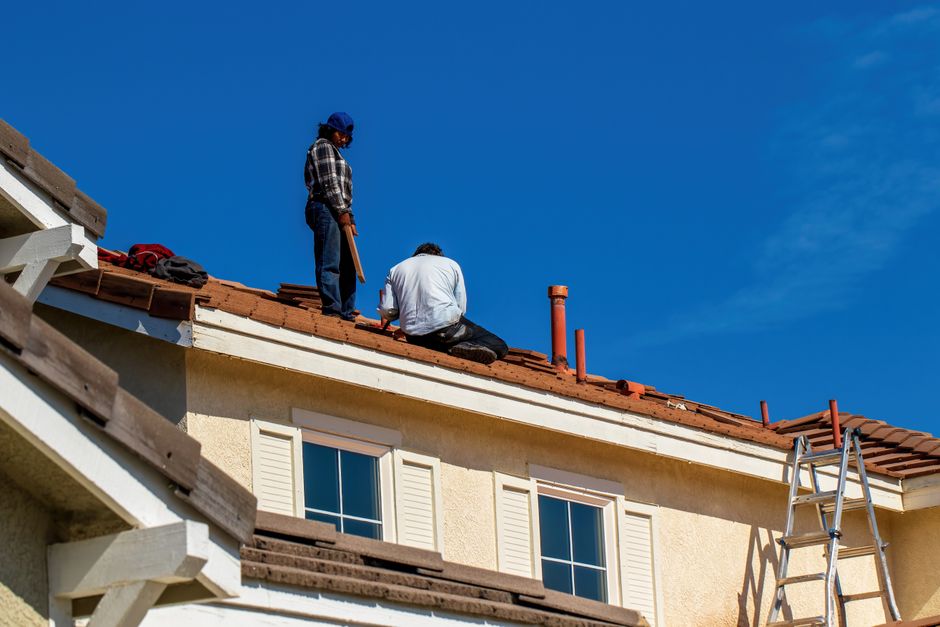
When considering a roof replacement, numerous factors will impact the overall cost. The first significant factor is the type of material you choose for your new roof. Common materials include asphalt shingles, metal roofing, tile, and slate, each with varying price ranges and durability. For instance, asphalt shingles are often the most affordable option, costing between $90 to $100 per square, while metal roofing can range from $120 to $900 per square, depending on the style and quality.
Another crucial aspect is the size of your roof. Larger roofs will naturally require more materials and labor, increasing the overall cost. When estimating the size, contractors will typically calculate the square footage of the roof and provide a detailed quote based on the specific materials chosen.
Additionally, local labor rates can significantly affect the cost of roof replacement. Labor costs can vary widely based on the region and the experience of the contractors. It’s advisable to get multiple quotes from different roofing companies to ensure you are getting a competitive price without compromising on quality.
Hidden Costs to Consider
While you may have a rough estimate of the roof replacement cost based on materials and labor, there are often hidden costs that can arise during the project. For example, if your roof has extensive damage, your contractor may need to replace underlying structures like plywood or rafters, which can add to the total cost.
Furthermore, the disposal of your old roofing material may incur additional charges. Many contractors include this in their quotes, but it’s essential to clarify beforehand to avoid unexpected expenses. Other hidden costs may include permits required by your local government, which can vary based on your location.
Insurance can also play a role in the overall cost of roof replacement. If you are filing a claim for storm damage or other issues, understanding your insurance coverage and any deductibles is vital to budgeting for your new roof.
Seasonal Considerations and Timing
The timing of your roof replacement can significantly impact the cost as well. Many homeowners are unaware that roofers tend to charge higher rates during peak seasons, typically in late spring and summer. If your roof is not in immediate need of replacement, consider scheduling your project during the off-peak season, such as fall or winter, when prices may be lower and contractors have more availability.
Moreover, certain weather conditions can also affect the cost. For instance, if your area experiences frequent rain or snow, it may require additional precautions and labor, potentially increasing costs. Discussing the timeline and any seasonal factors with your contractor will help you make informed decisions.
Long-term Savings and Value
While the initial roof replacement cost can seem daunting, it’s essential to consider the long-term savings and value that a new roof can offer. Investing in high-quality materials can enhance your home’s energy efficiency, potentially reducing heating and cooling costs over time. Moreover, a new roof can increase your home’s resale value, making it a worthwhile investment.
For instance, studies have shown that homeowners can recoup about 68% of the cost of a new roof when selling their home. Furthermore, certain roofing materials, like metal, can last significantly longer than traditional asphalt shingles, reducing the need for future replacements.
In conclusion, understanding the various factors that contribute to roof replacement costs is crucial for any homeowner. By being aware of the materials, hidden costs, seasonal considerations, and the long-term benefits of investing in quality roofing, you can make informed decisions that will save you money and enhance your home’s value. For more specific details on roof replacement cost, consult with local roofing experts who can provide tailored advice based on your unique needs.
Conclusion
In summary, replacing your roof is a significant investment that requires careful planning and budgeting. By understanding the key factors that influence the cost, being aware of potential hidden expenses, considering seasonal timing, and recognizing the long-term savings and value, you can approach your roof replacement project with confidence. Take the time to research and gather multiple quotes to ensure you make the best decisions for your home.