
The concept of psychiatric hospitals can evoke a variety of emotions and perceptions. These institutions, often misunderstood, play a crucial role in the mental health care system. They serve individuals facing severe mental health challenges, offering them a safe environment for treatment and recovery. In this article, we will explore the functions, types, and importance of psychiatric hospitals in today’s society.
What is a Psychiatric Hospital?
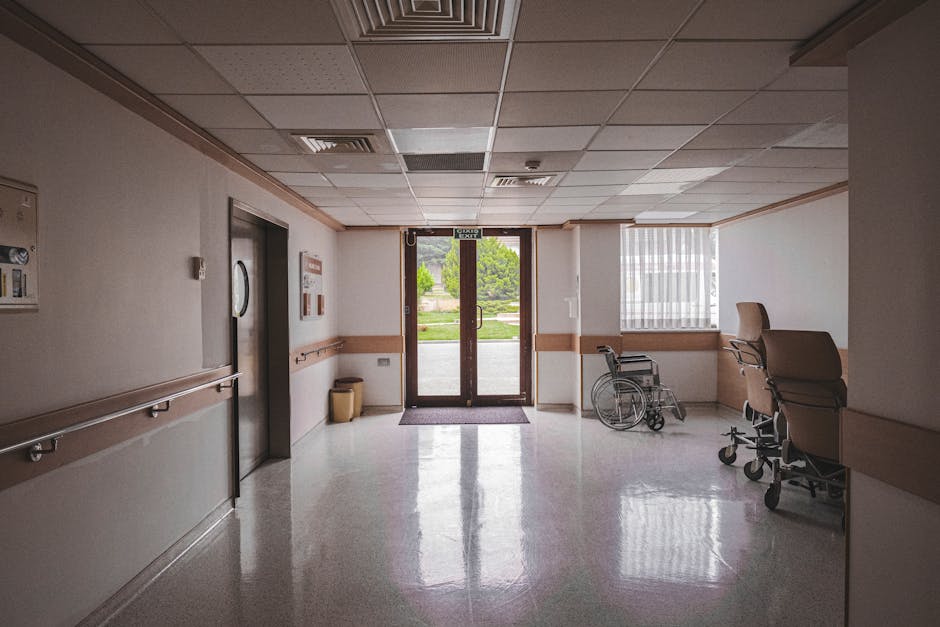
A psychiatric hospital, also known as a mental health facility, is a specialized institution dedicated to diagnosing and treating individuals with mental health disorders. Unlike general hospitals, psychiatric hospitals focus specifically on mental illnesses, providing tailored treatments that may include therapy, medication, and support services.
These facilities can accommodate various mental health conditions, ranging from anxiety disorders and depression to more severe conditions such as schizophrenia and bipolar disorder. The goal of a psychiatric hospital is not only to stabilize patients but also to equip them with coping strategies for their everyday lives.
Types of Psychiatric Hospitals
Psychiatric hospitals can be classified into several types based on the services they offer and the patient population they serve. The main categories include:
- Inpatient Psychiatric Hospitals: These facilities provide 24-hour care for individuals requiring intensive treatment. Patients typically stay for a longer duration, often until they reach a level of stability that allows for outpatient care.
- Outpatient Psychiatric Hospitals: These centers offer treatment during the day while allowing patients to return home at night. This model is suitable for individuals who do not require constant supervision.
- Specialty Psychiatric Hospitals: Some hospitals focus on specific populations, such as children, adolescents, or the elderly, tailoring their treatment approaches accordingly.
The Role of Psychiatric Hospitals in Mental Health Care
Psychiatric hospitals play an indispensable role in the mental health care system. They provide a structured environment where individuals can receive comprehensive assessments and personalized treatment plans. This is particularly important for patients who may be a danger to themselves or others, as psychiatric hospitals can ensure safety while offering therapeutic interventions.
Moreover, these facilities often employ a multidisciplinary team, including psychiatrists, psychologists, social workers, and nurses, ensuring that patients receive holistic care. For example, a patient diagnosed with severe depression might participate in individual therapy sessions while also receiving medication management from a psychiatrist. This integrated approach can lead to more effective treatment outcomes.
Challenges Faced by Psychiatric Hospitals
Despite their vital role, psychiatric hospitals face numerous challenges. Stigma surrounding mental illness often leads to misconceptions about the care provided in these facilities. Many people associate psychiatric hospitals with outdated practices or inhumane treatment, which can deter individuals from seeking the help they need.
Additionally, funding and resource allocation can pose significant hurdles. Many psychiatric hospitals struggle with limited budgets, affecting the quality of care they can provide. These constraints can lead to longer wait times for treatment and insufficient staffing, impacting patient outcomes.
For instance, a recent report highlighted that many psychiatric hospitals are operating at full capacity, leading to increased pressure on staff and resources. This situation underscores the need for increased awareness and investment in mental health care.
The Future of Psychiatric Hospitals
As we move forward, the future of psychiatric hospitals will likely involve a shift towards more community-based care models. This approach emphasizes early intervention and preventive care, allowing individuals to receive treatment in less restrictive environments. Telehealth services are also becoming increasingly important, providing patients with access to care without the need for hospitalization.
Furthermore, ongoing education and training for healthcare professionals are crucial in addressing stigma and improving patient care. Initiatives aimed at promoting mental health awareness can significantly impact public perception and encourage individuals to seek help.
For those seeking treatment, finding the right resources is essential. If you’re exploring options in your area, consider consulting with a Psychiatrist dubai who can provide guidance tailored to your needs.
Conclusion
In conclusion, psychiatric hospitals are integral to the mental health care system, offering specialized services for individuals facing significant mental health challenges. While they encounter various obstacles, the continued evolution of these facilities towards community-based care and increased public awareness can help bridge the gap in mental health services. Understanding and supporting psychiatric hospitals will ultimately lead to better outcomes for those in need of mental health care.