As the world grapples with the consequences of climate change, the architecture industry is undergoing a significant transformation. Sustainable architecture has become more than just a trend; it’s a necessity. Firms dedicated to sustainable practices are leading the charge in creating buildings that not only meet the functional needs of their occupants but also respect and enhance the environment. This article delves into the importance of sustainable architecture firms, their innovative practices, and the impact they have on our planet.
Understanding Sustainable Architecture
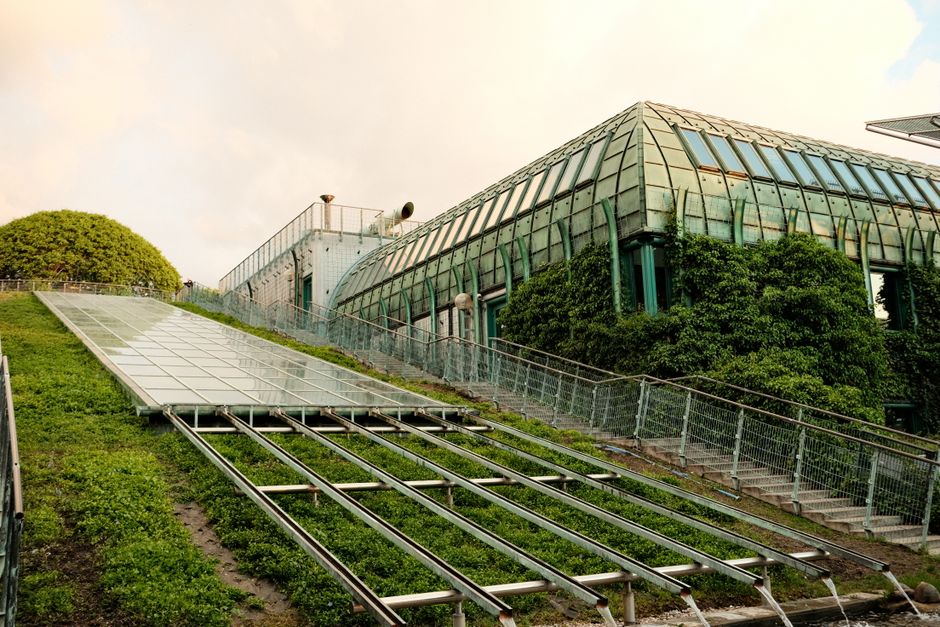
Sustainable architecture refers to designs that prioritize the efficiency of resources, the environmental impact of materials, and the well-being of inhabitants. This approach incorporates renewable energy sources, sustainable materials, efficient waste management, and designs that harmonize with their surroundings. The goal is to create structures that minimize carbon footprints while maximizing their utility and comfort.
According to a report by the World Green Building Council, buildings are responsible for 39% of global carbon emissions. This staggering statistic underscores the need for a shift towards sustainable practices. Sustainable architecture firms are essential in this transition, offering innovative solutions to reduce these emissions through design and technology.
Innovative Practices in Sustainable Architecture
Leading sustainable architecture firms employ various innovative practices to enhance environmental sustainability. For instance, many utilize smart building technologies that optimize energy efficiency. These technologies include automated lighting, climate control systems, and energy management systems that adapt to the behaviors of occupants.
Furthermore, sustainable architecture firms often prioritize the use of recycled and locally sourced materials. This not only reduces the carbon footprint associated with transporting materials but also supports local economies. Buildings designed by these firms frequently feature green roofs, solar panels, and rainwater harvesting systems, further contributing to sustainability.
One notable example is the Bosco Verticale (Vertical Forest) in Milan, Italy. This residential tower features over 9,000 trees and 20,000 plants across its terraces, significantly improving air quality and providing natural insulation. Such projects exemplify how aesthetic and ecological considerations can coexist through innovative design.
The Economic Benefits of Sustainable Architecture
Beyond environmental considerations, sustainable architecture also offers substantial economic benefits. Buildings designed with sustainability in mind often lead to lower operational costs due to energy efficiency. A study from the U.S. Department of Energy found that energy-efficient buildings can save up to 30% in energy costs.
Moreover, properties built by sustainable architecture firms tend to have higher market values. As sustainability becomes increasingly prioritized by consumers, buyers are willing to pay a premium for homes and buildings that embody these principles. This trend has been particularly evident in urban areas, where green buildings are often more desirable.
Investing in sustainable architecture can also qualify projects for various incentives and tax breaks, making it financially advantageous for developers and builders. Cities around the world are implementing policies that encourage sustainable building practices, further enhancing the economic appeal.
Challenges Facing Sustainable Architecture Firms
Despite the growing recognition of the importance of sustainable architecture, firms in this field face several challenges. One of the primary hurdles is the higher upfront costs often associated with sustainable design. While the long-term savings and benefits are significant, the initial investment can deter clients, especially in a market driven by cost efficiency.
Additionally, there is a need for greater public awareness and education about the benefits of sustainable architecture. Many potential clients may still be unaware of the advantages offered by these firms, leading to a reliance on traditional architectural practices.
Moreover, navigating local regulations and building codes can be complex. Sustainable architecture firms must often work closely with policymakers to ensure that innovative designs comply with existing laws while advocating for changes that support sustainability.
The Future of Sustainable Architecture
The future of architecture is undoubtedly leaning towards sustainability. As climate change continues to pose significant threats, the demand for environmentally friendly buildings will only increase. Sustainable architecture firms are at the forefront of this movement, pioneering new technologies and practices that will shape the urban landscapes of tomorrow.
Investments in research and development are crucial for advancing sustainable practices. By focusing on innovations such as 3D printing, biophilic design, and sustainable urban planning, these firms can continue to push the boundaries of what is possible in architecture.
As the industry evolves, collaboration between architects, engineers, and environmentalists will play a vital role in creating resilient and sustainable communities. It is essential for sustainable architecture firms to lead this charge, demonstrating that responsible design can coexist with creativity and functionality.
For those seeking to explore the realm of sustainable architecture, engaging with a sustainable architecture firm can provide invaluable insights and opportunities for sustainable living.
Conclusion
The emergence of sustainable architecture firms marks a pivotal moment in the architectural landscape. By prioritizing environmental responsibility and innovative design, these firms are not only addressing immediate challenges but also laying the groundwork for a sustainable future. As we move forward, it is crucial to support and engage with these firms to promote a healthier planet and enhance the quality of life for future generations.