
The luxury brand market has undergone significant transformations in recent years, with the emergence of luxury brand resellers playing a pivotal role in this evolution. Once considered a niche market, luxury reselling has now become a mainstream avenue for consumers seeking high-end products at more accessible prices. This article explores the dynamics of luxury brand reselling, its impact on the traditional retail landscape, and what consumers should know when engaging with this market.
Understanding Luxury Brand Reselling
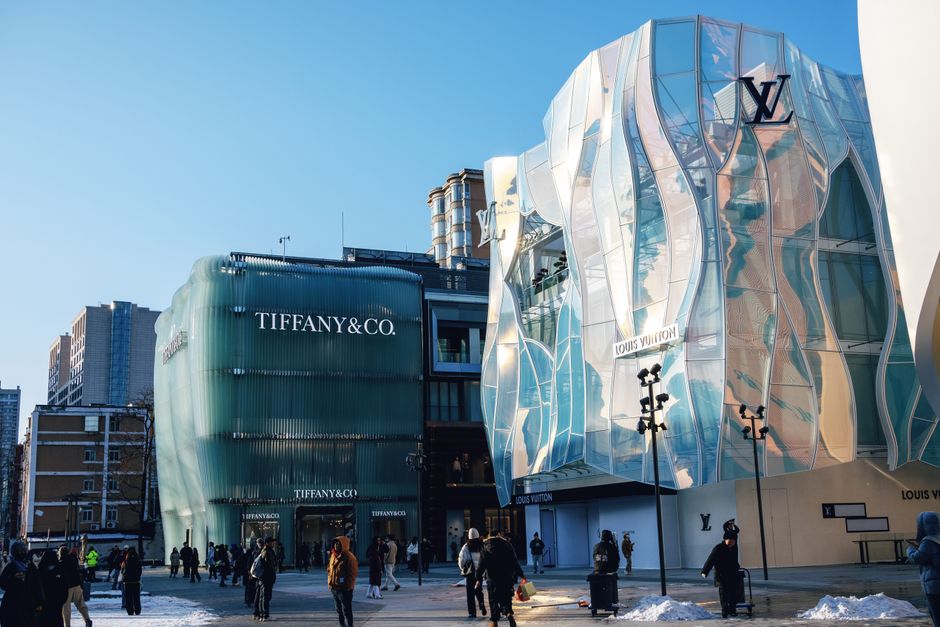
Luxury brand reselling involves the purchase and resale of high-end products, ranging from designer handbags to exclusive sneakers. Resellers often acquire these products through various channels, such as consignment shops, online marketplaces, or even directly from consumers looking to sell their items. This model not only provides consumers with opportunities to buy luxury goods at lower prices but also allows individuals to monetize their unused luxury items.
The rise of e-commerce has been a significant catalyst for the growth of luxury brand resellers. Online platforms have made it easier for consumers to browse, buy, and sell luxury items from the comfort of their homes. In fact, a report from Bain & Company indicates that the global market for second-hand luxury goods is expected to reach $64 billion by 2024, highlighting the increasing acceptance of pre-owned luxury items among shoppers.
Moreover, sustainability is a driving force behind the popularity of reselling luxury goods. As consumers become more environmentally conscious, many are opting for second-hand items as a way to reduce waste and promote sustainable consumption. This trend aligns with the broader movement toward a circular economy, where products are reused and recycled rather than discarded.
The Benefits of Shopping from Luxury Brand Resellers
Shopping from luxury brand resellers offers several advantages for consumers. First and foremost is the cost savings. Luxury items often depreciate significantly after their initial purchase, making it possible to acquire high-quality products at a fraction of their original price. For instance, a designer handbag that retails for $2,000 may be available for $1,200 on a resale platform, providing substantial savings for savvy shoppers.
Additionally, reselling platforms often curate their listings, ensuring that products are authentic and in good condition. Many reputable resellers have stringent authentication processes in place, giving buyers peace of mind when purchasing luxury items. This is particularly important given the prevalence of counterfeit goods in the luxury market.
Furthermore, luxury brand resellers often feature unique and hard-to-find items that are no longer available in traditional retail settings. For collectors and fashion enthusiasts, this access to rare pieces can be incredibly appealing, allowing them to build a distinctive wardrobe that reflects their personal style.
Challenges in the Luxury Reselling Market
Despite its many benefits, the luxury reselling market is not without its challenges. One of the primary concerns for consumers is the potential for scams or misrepresentation. While many resellers are trustworthy, there are also bad actors who may sell counterfeit items or mislead buyers about the condition of a product. It is crucial for consumers to research sellers and read reviews before making a purchase.
Additionally, the rapid growth of the resale market has led to increased competition among resellers. As more individuals enter the space, it can be challenging for new sellers to establish credibility and attract buyers. This competition may also lead to fluctuating prices, making it harder to predict the market value of specific items.
Lastly, consumers should be aware of the return policies associated with luxury brand resellers. Unlike traditional retailers that may offer generous return windows, many reselling platforms have stricter policies in place. Understanding these policies is essential to avoid any unpleasant surprises after a purchase.
How to Engage with Luxury Brand Resellers
For those interested in exploring the world of luxury brand reselling, there are several key strategies to keep in mind. First, familiarize yourself with reputable platforms and sellers. Websites that specialize in luxury items often have established reputations and customer service policies that protect buyers. One such site is the luxury brand reseller, known for its quality control and customer satisfaction.
Next, do your research on the items you are interested in purchasing. Understanding the typical market prices for specific luxury goods can help you identify fair deals and avoid overpaying. Online communities and forums dedicated to luxury fashion can be invaluable resources for gathering information and tips.
Finally, consider selling your own luxury items. If you have pieces in your collection that you no longer use, reselling them can be a great way to recoup some of your investment while providing someone else with an opportunity to enjoy luxury goods at a lower price.
Conclusion: Embracing the Future of Luxury Reselling
The luxury brand reseller market is poised for continued growth as consumers increasingly embrace the benefits of buying and selling pre-owned luxury items. With a focus on sustainability, cost savings, and unique offerings, reselling has become an attractive option for both buyers and sellers. By understanding the landscape and engaging wisely with reputable reselling platforms, consumers can take full advantage of this evolving market. As the luxury reselling trend continues to gain momentum, it is clear that this new model is reshaping the way we think about luxury consumption.