
As the global population continues to rise, the demand for sustainable food production methods becomes increasingly critical. Traditional agriculture faces numerous challenges, including land scarcity, climate change, and resource depletion. In response, innovative solutions like vertical farming are emerging as viable alternatives, transforming the way we approach food cultivation. This article delves into vertical farming technology, exploring its principles, benefits, and future potential.
Understanding Vertical Farming
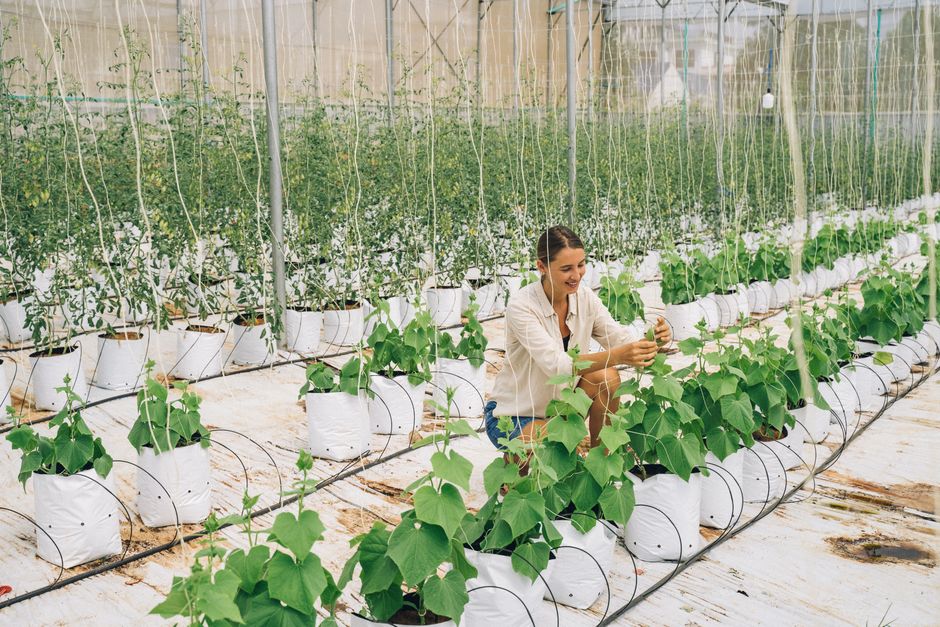
Vertical farming is a method of growing crops in vertically stacked layers, often integrated into structures like skyscrapers or repurposed warehouses. This approach utilizes controlled-environment agriculture (CEA) technology, which allows for precise management of light, temperature, water, and nutrients. By optimizing these factors, vertical farms can produce food year-round, independent of external weather conditions.
One of the key features of vertical farming is the use of hydroponics, aeroponics, or aquaponics systems. Hydroponics involves growing plants in nutrient-rich water solutions, while aeroponics uses mist to deliver nutrients to plant roots. Aquaponics combines fish farming with plant cultivation, creating a symbiotic environment where fish waste provides nutrients for plants, and plants help filter and clean the water for fish.
According to a report by the Global Vertical Farming Market, the industry is expected to grow significantly, reaching over $12 billion by 2026. This growth is fueled by the increasing demand for locally sourced, fresh produce, alongside the need for sustainable agricultural practices.
Benefits of Vertical Farming
One of the most compelling advantages of vertical farming is its efficiency in land use. Traditional farming requires vast areas of land, which are becoming increasingly scarce due to urbanization and climate change. In contrast, vertical farms can produce significantly higher yields per square foot, allowing cities to grow food within their own boundaries.
Additionally, vertical farming reduces the environmental impact associated with traditional agriculture. It minimizes the need for pesticides and herbicides, as the controlled environment limits the risk of pests and diseases. Furthermore, vertical farms use up to 90% less water than conventional farms, thanks to their efficient water management systems.
Local food production is another critical benefit. By growing food closer to urban centers, vertical farming reduces transportation costs and emissions associated with long-distance food transport. This not only contributes to a lower carbon footprint but also enhances food security, providing fresh produce to communities in need.
Technological Innovations in Vertical Farming
The success of vertical farming is heavily reliant on advanced technologies that streamline agricultural practices. LED lighting, for instance, plays a crucial role in optimizing plant growth. These lights can be programmed to emit specific wavelengths that promote photosynthesis, significantly increasing crop productivity.
Moreover, automation and artificial intelligence are transforming vertical farming operations. Robotics can handle tasks such as planting, harvesting, and packaging, reducing labor costs and increasing efficiency. AI systems analyze data from sensors to optimize growing conditions, ensuring that crops receive the ideal amount of nutrients and water.
Furthermore, developments in vertical farming technology, including the integration of vertical farming technology into urban planning, are paving the way for more sustainable cities. By incorporating agricultural spaces into urban designs, cities can create green infrastructures that enhance both food production and the quality of life for residents.
Challenges and Considerations
Despite the numerous advantages, vertical farming also faces several challenges. High initial investment costs for infrastructure and technology can be a barrier for many potential operators. Additionally, the energy consumption associated with artificial lighting and climate control systems raises concerns about the sustainability of these farms.
Moreover, while vertical farming can produce crops more efficiently, it may not be suitable for all types of agriculture. Certain crops, such as grains, may still require traditional farming methods due to their specific growth conditions and space requirements.
Addressing these challenges will be crucial for the future of vertical farming. Innovations in renewable energy sources, such as solar or wind power, could mitigate the energy concerns, while ongoing research into crop varieties suitable for vertical farming can expand its applicability.
The Future of Vertical Farming
The future of vertical farming is promising, with continuous advancements in technology and growing interest from investors and consumers alike. As urban populations increase and the demand for sustainable food production grows, vertical farming presents a viable solution to these pressing challenges.
Moreover, collaboration between governments, research institutions, and private companies will be essential to foster innovation and support the development of vertical farms. Policies that encourage local food production and sustainability could further enhance the growth of this industry.
In conclusion, vertical farming technology offers a glimpse into the future of agriculture, where food is grown sustainably and efficiently within urban environments. As we continue to explore and invest in these technologies, we can pave the way for a more food-secure and environmentally friendly future.
Conclusion
Vertical farming is not just a trend; it is a revolutionary approach to food production that addresses many of the challenges faced by traditional agriculture today. With its numerous benefits, including efficient land use, reduced environmental impact, and enhanced food security, vertical farming is poised to play a significant role in the future of agriculture. As technology continues to advance, the potential for vertical farming will only grow, leading to a more sustainable and resilient food system for generations to come.