
Crime scenes are often chaotic and traumatic places. Whether it’s the aftermath of a violent crime, an accident, or a natural death, the presence of biohazards can pose serious health risks. This is where crime scene cleanup professionals come in. Their job is to restore the scene to its original condition, ensuring safety and peace of mind for those affected. In this article, we will explore the intricacies of crime scene cleanup, the processes involved, and the importance of professional services.
Understanding Crime Scene Cleanup
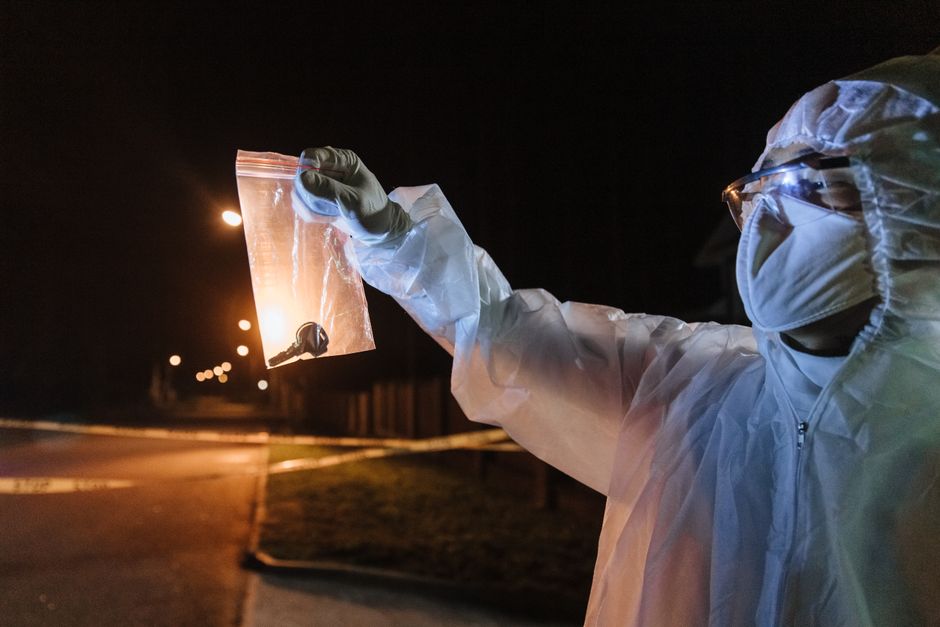
Crime scene cleanup is a specialized field that involves the removal of hazardous materials, blood, and other biological substances from a crime scene or trauma site. These professionals are trained to handle potentially dangerous situations, ensuring not only the physical cleanliness of the site but also the emotional support for families involved. The cleanup process is not just about aesthetics; it also involves thorough decontamination to prevent health risks such as infections or exposure to harmful pathogens.
Typically, crime scene cleanup services are called in after law enforcement has completed their investigation. This ensures that any evidence needed for legal proceedings is preserved. Once the site is released, the cleanup team steps in to begin the restoration process.
The Cleanup Process Explained
The crime scene cleanup process is meticulous and often requires a variety of skills and equipment. The first step is to assess the scene. Cleanup professionals evaluate the extent of contamination and determine the necessary procedures to ensure thorough decontamination.
Next comes the removal of hazardous materials, which may include bodily fluids, tissues, and other biological remnants. This is done using specialized tools and protective gear. It’s crucial that these substances are disposed of properly, following local regulations and guidelines.
After the initial cleanup, the area undergoes a deep cleaning process. This includes the use of industrial-grade disinfectants to eliminate any remaining pathogens. The final step often involves restoring the area to its original condition, which may include repairs or repainting walls.
Health Risks Associated with Improper Cleanup
Improper crime scene cleanup can lead to serious health risks. Blood and other bodily fluids can carry infections such as HIV, Hepatitis B, and Hepatitis C. If these materials are not handled correctly, they can pose a danger not only to the cleanup crew but also to anyone who may enter the site afterward.
Furthermore, lingering odors and stains can create psychological distress for families and communities. Professional crime scene cleanup services ensure that these issues are addressed, allowing for a sense of closure and safety.
Choosing a Professional Cleanup Service
When selecting a crime scene cleanup service, it’s essential to choose a company that is licensed, insured, and experienced. Look for certifications that indicate the team is trained in biohazard handling and has a solid understanding of the legalities involved in crime scene cleanup.
Additionally, a reputable company should provide support throughout the process, including assistance with insurance claims. Many families are unaware that their homeowner’s insurance may cover the costs associated with crime scene cleanup.
Finally, consider the company’s response time. In such sensitive situations, having a quick and compassionate response can make a significant difference for affected families.
The Role of Emotional Support
While the physical aspects of crime scene cleanup are critical, the emotional support provided by cleanup professionals should not be overlooked. These individuals often find themselves in distressing situations, and a compassionate approach can help ease the burden on grieving families.
Many cleanup teams are trained to offer not just technical skills but also emotional support during the process. This can involve listening to the families, providing them with information about what to expect, and being respectful of their needs throughout the cleanup.
Ultimately, the goal of crime scene cleanup is to restore safety and peace of mind. This is achieved not only through meticulous cleaning but also through empathetic interactions with those affected.
Conclusion
Crime scene cleanup is a vital service that goes beyond just cleaning. It involves a comprehensive understanding of biohazards, emotional support for families, and adherence to safety regulations. The next time you encounter a situation that requires crime scene cleanup, remember the importance of choosing a qualified professional. Their expertise ensures that the scene is not only cleaned but also treated with the dignity and respect it deserves. For more insights into the technicalities of the field, you may explore resources on crime scene cleanup.