
Handmade pizza is more than just a meal; it’s an experience that brings together the joy of cooking and the art of flavor. In recent years, the popularity of handmade pizzas has soared, as people seek to enjoy not only the taste but also the satisfaction of creating something from scratch. This article explores the intricacies of making handmade pizza, from selecting the right ingredients to the baking techniques that can elevate your pizza game.
The Importance of Quality Ingredients
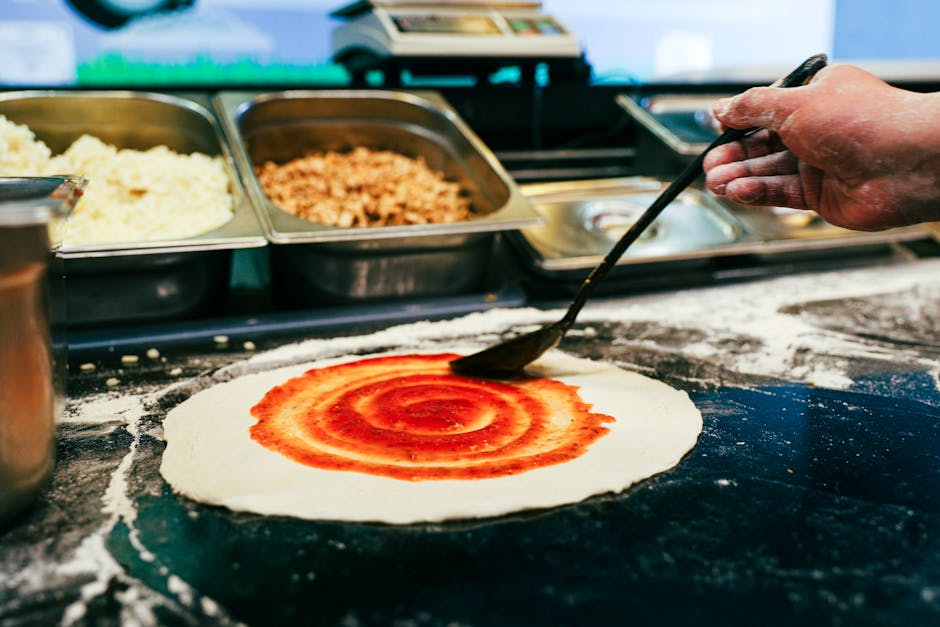
When it comes to handmade pizza, the quality of ingredients cannot be overstated. From the dough to the toppings, each component plays a crucial role in the final product. High-quality flour, fresh vegetables, and premium cheeses can make a world of difference. For instance, using ’00’ flour, which is finely milled and has a higher protein content, can yield a wonderfully chewy crust that is a hallmark of traditional Neapolitan pizza.
Moreover, fresh ingredients not only enhance flavor but also add nutritional benefits. Organic vegetables, for example, offer richer tastes and are often grown without harmful pesticides. This commitment to quality is why many pizza enthusiasts advocate for sourcing local ingredients, supporting community agriculture while enjoying superior flavor.
Additionally, the choice of sauce is vital. A simple tomato sauce made from San Marzano tomatoes can create a foundation that complements the other ingredients rather than overpowering them. Balancing flavors is key in creating a handmade pizza that dazzles the palate.
The Dough: The Heart of the Pizza
The dough is arguably the most important element in handmade pizza. Mastering the art of dough-making is essential for any aspiring pizzaiolo. The process begins with mixing flour, water, yeast, and salt in the right proportions. A typical ratio is 100% flour to 60-65% water, depending on the desired crust texture.
Once the ingredients are combined, kneading the dough is crucial. This process develops gluten, which gives the dough its elasticity. After kneading, the dough needs time to rise, allowing the flavors to develop and the texture to improve. A long fermentation period, sometimes up to 72 hours, can significantly enhance the flavor profile of the crust.
After fermentation, shaping the dough is an art form in itself. Gently stretching the dough by hand rather than using a rolling pin preserves the air bubbles, which contribute to a light and airy crust. The goal is to achieve a thin base with a slightly thicker edge, creating the perfect balance between crispiness and chewiness.
Creative Toppings: Endless Possibilities
One of the most exciting aspects of handmade pizza is the variety of toppings available. From classic margherita with fresh basil and mozzarella to unique combinations like pear and gorgonzola, the possibilities are endless. The key is to balance flavors and textures, ensuring no single topping overwhelms the others.
Seasonal ingredients can also inspire creativity. In the summer, fresh tomatoes, basil, and mozzarella make for a refreshing combination, while winter might call for roasted vegetables and rich cheeses. Experimenting with different cheeses, such as burrata or goat cheese, can elevate the pizza experience, adding creaminess and depth to each bite.
Additionally, homemade sauces and pesto can enhance the flavor profile of your pizza. A drizzle of balsamic reduction or a sprinkle of chili flakes can add a gourmet touch, making your handmade pizza stand out. The beauty of handmade pizza lies in the freedom to innovate and tailor each creation to personal tastes.
Baking Techniques for the Perfect Crust
The baking process is critical to achieving the perfect handmade pizza. Traditional methods involve using a wood-fired oven, where high temperatures create a characteristic char on the crust. However, not everyone has access to such equipment. Home ovens can still produce excellent results with the right techniques.
Preheating your oven to the highest temperature possible, typically around 475-500°F (245-260°C), is essential. Using a pizza stone can mimic the effects of a wood-fired oven by retaining heat and ensuring a crispy crust. Placing the pizza directly on the stone allows for even cooking and prevents sogginess.
For those who prefer a more traditional approach, a cast-iron skillet can also be used to achieve a delicious crust. The skillet retains heat well, promoting even browning and a crisp texture. No matter the baking method, keeping an eye on the pizza and rotating it halfway through the cooking time ensures an evenly cooked masterpiece.
Sharing the Experience: Pizza Parties and Community
Handmade pizza is not just about the food; it’s about the experience of sharing it with others. Hosting a pizza party can be a fun and interactive way to engage friends and family in the cooking process. Providing various toppings and sauces allows everyone to create their own unique pizza masterpiece.
Moreover, pizza parties can foster a sense of community. Engaging with local pizzerias and attending workshops can enhance your skills and knowledge about pizza-making. Many cities offer classes where enthusiasts can learn from experienced chefs, gaining insights into the art of handmade pizza.
In conclusion, the process of making handmade pizza is a blend of art and science, offering endless opportunities for creativity and enjoyment. Whether you’re a seasoned chef or a novice in the kitchen, the joy of crafting your own pizza is a rewarding experience. For those looking to elevate their pizza game, exploring options like LUXURY 777 can provide inspiration and elevate your culinary skills.