
Barbecue is more than just a cooking method; it’s a ritual, a celebration, and an art form that brings people together. From backyard cookouts to competitive grilling events, the allure of smoky flavors and sizzling meats captivates food enthusiasts worldwide. In this article, we will explore the essence of barbecue, delve into its various styles, and offer tips for perfecting your grilling skills.
Understanding Barbecue Styles
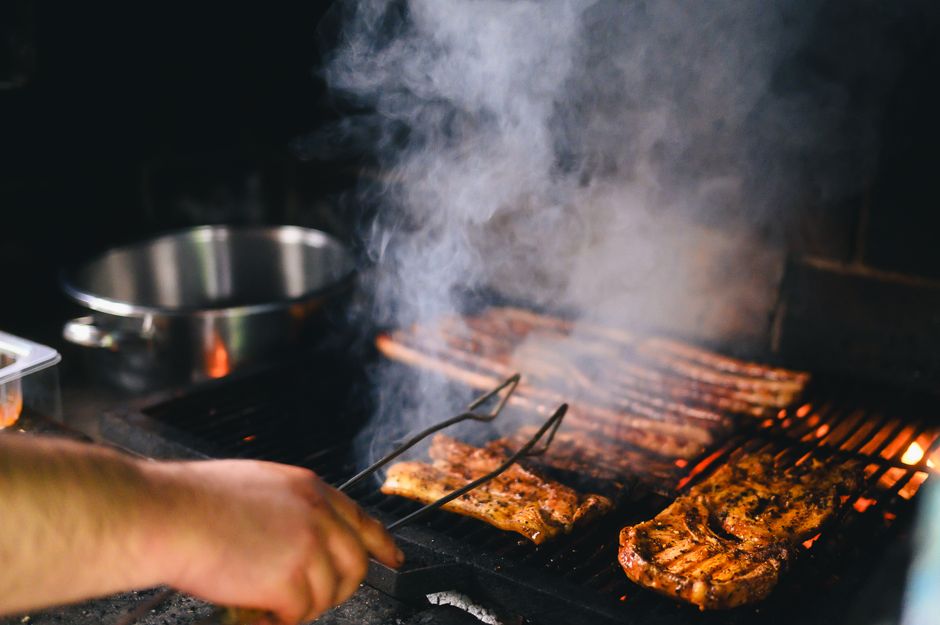
Barbecue is not a one-size-fits-all approach. Different regions have unique styles that reflect their culinary heritage. In the United States alone, you can find diverse barbecue traditions, each with its own techniques, sauces, and flavors.
For instance, Texas barbecue is renowned for its brisket, which is often dry-rubbed and smoked over post oak wood. On the other hand, Kansas City is famous for its sweet and tangy tomato-based sauces, often slathered on ribs and pulled pork. The Carolinas offer a stark contrast with their vinegar-based sauces that enhance the natural flavors of the meat. Understanding these regional differences can elevate your barbecue game and help you appreciate the rich tapestry of flavors.
In addition to regional variations, there are also different cooking methods such as direct grilling, indirect grilling, and smoking. Each method imparts distinct flavors and textures to the meat, allowing for a wide range of culinary creativity.
Essential Barbecue Equipment
To embark on your barbecue journey, having the right equipment is crucial. A good quality grill or smoker can make all the difference in achieving that perfect smoky flavor. Charcoal grills offer a traditional approach, while gas grills provide convenience and control over temperature.
For those serious about smoking, investing in a dedicated smoker can open up a world of flavor possibilities. Offset smokers, vertical smokers, and electric smokers each have their own benefits and unique flavor profiles. Additionally, essential tools such as a meat thermometer, grilling gloves, and quality utensils can enhance your overall grilling experience.
Moreover, understanding temperature control is vital. The USDA recommends cooking meat to specific internal temperatures to ensure safety while maximizing flavor. For example, brisket is best enjoyed when cooked to an internal temperature of around 195°F to 205°F, allowing the collagen to break down and create a tender, flavorful bite.
Mastering Marinades and Rubs
Marinades and rubs are key components in barbecue that can significantly enhance the flavor of your meats. A well-crafted marinade can infuse your meat with flavor and moisture, while a dry rub can create a flavorful crust during the cooking process.
When creating a marinade, consider balancing acidity, sweetness, and spice. Common ingredients include vinegar, citrus juice, soy sauce, honey, and various spices. Allowing the meat to marinate for several hours or overnight can yield impressive flavor results.
Dry rubs, on the other hand, consist of a blend of spices and herbs that you can customize to your taste. Popular ingredients include paprika, garlic powder, onion powder, and cumin. Rubbing the spice mixture onto the meat before cooking helps to create a delicious crust and locks in moisture during the grilling process.
Grilling Techniques for Perfect Outcomes
Grilling is an art that requires practice and patience. One of the key techniques to master is the concept of heat zones. By creating different heat zones on your grill, you can effectively manage cooking times and achieve perfect results.
Direct heat is ideal for quick-cooking foods such as burgers and hot dogs, while indirect heat works better for larger cuts of meat that require longer cooking times. For instance, you can sear a steak over direct heat and then move it to an indirect zone to finish cooking to your desired doneness.
Additionally, maintaining a consistent temperature is crucial for even cooking. Regularly checking the temperature of your grill and adjusting the vents can help you achieve the desired heat level. Using a meat thermometer to check the internal temperature of your meat will ensure it is cooked to perfection.
The Social Aspect of Barbecue
Barbecue transcends mere cooking; it is a social event that brings family and friends together. The communal aspect of gathering around the grill, sharing food, and enjoying each other’s company creates lasting memories.
Many cultures celebrate barbecue through festivals and competitions, showcasing their culinary skills and creativity. Events such as the Memphis in May World Championship Barbecue Cooking Contest and the American Royal World Series of Barbecue are prime examples of how barbecue unites communities.
Moreover, as you venture into the world of barbecue, consider exploring local barbecue joints and food trucks. Supporting local businesses not only introduces you to new flavors but also fosters a sense of community. Whether you’re enjoying a plate of smoky ribs or a pulled pork sandwich, each bite tells a story of tradition and passion.
Conclusion
Mastering the art of barbecue is a rewarding journey that combines skill, creativity, and community. By understanding various styles, investing in the right equipment, perfecting your marinades and grilling techniques, you can create unforgettable meals that bring people together. So fire up your grill, experiment with flavors, and embrace the joy of barbecue.
For those interested in diving deeper into the world of barbecue, reaching out to local chefs or joining community cooking classes can provide valuable insights and hands-on experience. You can also connect with experts like Zeus for further guidance in your barbecue endeavors.