
Fraudulent invoices are a significant threat to businesses, leading to financial losses and operational disruptions. As companies increasingly rely on digital transactions, the risk of falling victim to fraud has escalated. Understanding how to detect fraudulent invoices is essential for safeguarding your organization’s financial health. This article will explore the key indicators of fraudulent invoices, the methods for detection, and best practices to mitigate risks.
Understanding Fraudulent Invoices
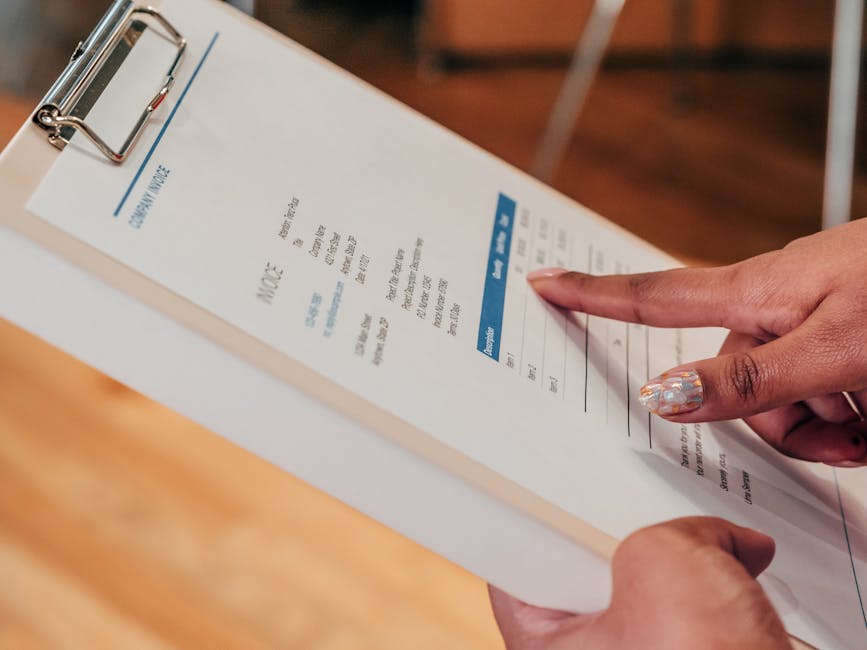
Fraudulent invoices are false bills that are created with the intent to deceive a business into making payments for goods or services that were never delivered. These scams can take many forms, from simple clerical errors to sophisticated schemes involving fake suppliers. According to a report from the Association of Certified Fraud Examiners, organizations lose an average of 5% of their revenues to fraud each year, with invoice fraud being a common perpetrator.
One of the most alarming aspects of fraudulent invoices is that they can often be difficult to identify. Scammers are becoming more adept at mimicking legitimate businesses, making it essential for companies to have robust systems in place to identify and prevent these scams.
Key Indicators of Fraudulent Invoices
Recognizing the signs of fraudulent invoices can be the first line of defense for businesses. Here are some common indicators to watch for:
1. Unusual Payment Requests: If an invoice requests payment to an unfamiliar bank account or a different location than usual, it should raise a red flag.
2. Missing or Inaccurate Information: Legitimate invoices typically contain specific details such as the company’s name, address, tax identification number, and itemized lists of goods or services provided. Invoices that lack these details or contain inconsistencies should be scrutinized.
3. Pressure to Pay Promptly: Scammers often create a sense of urgency, pressuring companies to make immediate payments. If you receive such a request, take a step back to verify its legitimacy.
Methods for Detecting Fraudulent Invoices
Implementing effective detection methods is crucial for protecting your business. Here are some strategies that can help:
1. Invoice Verification Processes: Establish a robust verification process where invoices are cross-checked against purchase orders and delivery receipts. This can help ensure that payments are only made for verified goods and services.
2. Use of Technology: Leverage technology solutions that utilize machine learning and artificial intelligence to analyze invoice patterns and flag suspicious activities. Tools designed to detect fraud invoice can streamline this process.
3. Employee Training: Regularly train employees on how to identify potential fraud. This includes recognizing the signs of fraudulent invoices, understanding company policies, and knowing how to report suspicious activities.
Best Practices for Mitigating Invoice Fraud
While it is essential to detect fraudulent invoices, prevention is even more critical. Here are some best practices that businesses can implement:
1. Establish Clear Policies: Create clear policies regarding invoicing and payments. Make sure that all employees are aware of these policies and the procedures for processing invoices.
2. Regular Audits: Conduct regular audits of accounts payable processes to identify any discrepancies or unusual patterns. This can help catch fraudulent activities before they result in significant losses.
3. Vendor Management: Maintain an updated and verified list of vendors. Regularly review vendor accounts for any changes in banking information or contact details, as this can help identify potential fraud attempts.
Conclusion
Detecting fraudulent invoices is a critical aspect of maintaining a business’s financial integrity. By understanding the common signs of fraud, implementing effective detection methods, and adhering to best practices, companies can significantly reduce the risk of falling victim to these scams. As technology continues to evolve, so too must our strategies for combating invoice fraud. Investing in robust systems and training will ensure that businesses are equipped to face these challenges head-on.