
The world of manufacturing and design is rapidly evolving, and at the heart of this transformation is 3D printing technology. Once a concept limited to prototyping and specialized applications, 3D printing services are now accessible to a wide range of industries. This article delves into the various aspects of 3D printing services, exploring their benefits, applications, and the future they hold for various sectors.
Understanding 3D Printing Technology
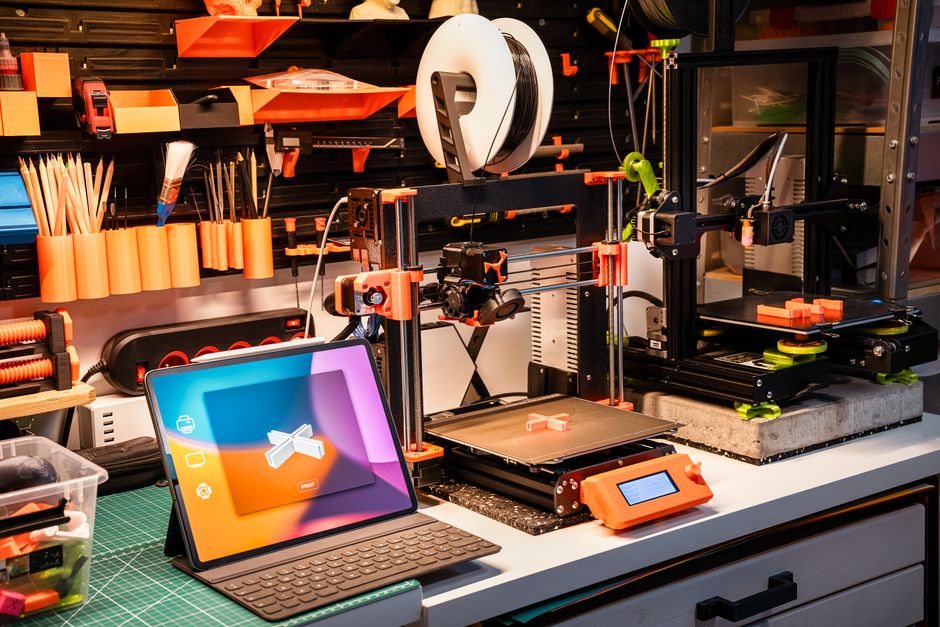
3D printing, also known as additive manufacturing, involves creating three-dimensional objects from a digital file. This process typically begins with a 3D model, which can be designed using computer-aided design (CAD) software. The printer then deposits material layer by layer until the object is complete. Various materials can be used, including plastics, metals, and even biological materials, making 3D printing a versatile solution for many applications.
One of the key advantages of 3D printing is its ability to produce complex geometries that traditional manufacturing methods cannot achieve. This capability opens up new design possibilities, enabling engineers and designers to innovate more freely. For instance, customized brackets or intricate prototypes can be produced quickly and efficiently, reducing waste and time.
The Benefits of 3D Printing Services
Utilizing 3D printing services offers numerous advantages over traditional manufacturing methods. One of the most significant benefits is the reduction in material waste. Since 3D printing is an additive process, it only uses the material necessary to create the object, leading to less waste compared to subtractive manufacturing processes.
Moreover, 3D printing can significantly reduce production times. Traditional manufacturing often requires extensive tooling and setup, which can delay production. In contrast, 3D printing allows for rapid prototyping and production, enabling companies to bring products to market faster. This speed is particularly beneficial in industries like fashion and consumer goods, where trends can change rapidly.
Applications Across Various Industries
The applications of 3D printing services are vast and varied, impacting sectors such as healthcare, automotive, aerospace, and even construction. In healthcare, for example, 3D printing is used to create customized prosthetics and implants tailored to individual patients. This personalization improves patient outcomes and comfort.
In the automotive industry, manufacturers leverage 3D printing for rapid prototyping and production of parts. This allows for faster design iterations and reduces the time needed for testing new components. Similarly, aerospace companies utilize 3D printing to produce lightweight components that enhance fuel efficiency and performance.
The Future of 3D Printing Services
As technology advances, the future of 3D printing services looks promising. Innovations such as multi-material printing and enhanced printing speeds are on the horizon, which will further expand the capabilities of this technology. Additionally, the integration of artificial intelligence and machine learning into the design and printing process is expected to streamline operations and improve outcomes.
Furthermore, sustainability is becoming a critical focus in the realm of 3D printing. The ability to recycle materials and create products on-demand can contribute to more sustainable manufacturing practices. As companies increasingly prioritize environmental responsibility, 3D printing offers a viable solution to reduce their carbon footprint.
Conclusion
In summary, 3D printing services are revolutionizing manufacturing and design across multiple industries. Their ability to reduce waste, enhance customization, and accelerate production makes them an invaluable tool for businesses looking to innovate. As technology continues to advance, the potential applications and benefits of 3D printing will only grow, shaping the future of how we create and produce.