Greenhouses have become a cornerstone of modern agriculture, allowing for year-round cultivation of plants in controlled environments. As the demand for sustainable and efficient farming practices grows, so does the importance of utilizing the right greenhouse equipment. In this article, we will explore the essential tools and equipment that every greenhouse should have, focusing on their functions, benefits, and how they enhance productivity.
Understanding Greenhouse Equipment
Greenhouse equipment encompasses a wide range of tools and systems designed to optimize plant growth and environmental conditions. From heating systems to irrigation solutions, the right equipment can significantly impact the health and yield of your crops. For instance, temperature control is crucial in a greenhouse setting, where fluctuations can stress plants and hinder growth. Therefore, investing in reliable greenhouse equipment is essential for any grower.
Climate Control Systems
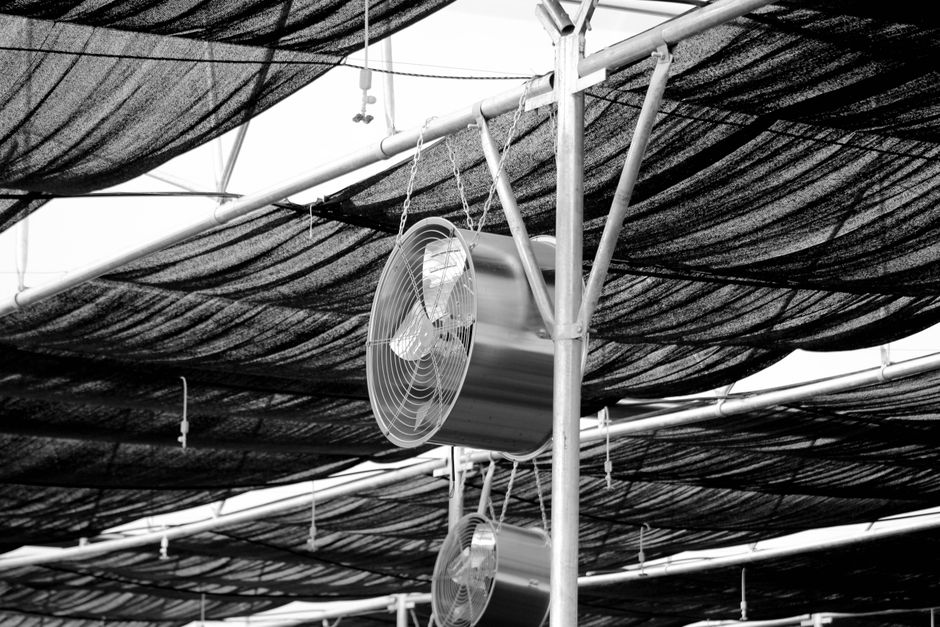
One of the most critical aspects of greenhouse management is maintaining optimal climate conditions. Climate control systems include heaters, ventilators, and fans that regulate temperature, humidity, and air circulation. For example, during colder months, a reliable heating system can ensure that plants receive the warmth they need to thrive. Conversely, exhaust fans can help in reducing humidity levels, preventing fungal diseases that can devastate crops.
Moreover, automated climate control systems are gaining popularity among commercial growers. These systems utilize sensors to monitor environmental conditions and automatically adjust heating, cooling, and ventilation as needed. Such technology not only saves labor but also enhances energy efficiency, leading to reduced operational costs.
Irrigation Solutions
Water management is another vital component of greenhouse operations. Efficient irrigation systems help to deliver water directly to the plants’ roots, minimizing waste and ensuring even moisture distribution. Drip irrigation systems, for instance, are highly efficient and can be tailored to meet the specific needs of different crops.
Additionally, integrating rainwater harvesting systems can further enhance water sustainability in greenhouses. By collecting and using rainwater, growers can reduce their dependency on municipal water sources and lower their utility bills. This approach not only promotes eco-friendliness but also contributes to more sustainable farming practices.
Lighting Equipment
In locations with limited sunlight, supplemental lighting can be instrumental in promoting healthy plant growth. LED grow lights have become increasingly popular due to their energy efficiency and ability to provide the specific light spectrum that plants need for photosynthesis. These lights can be used to extend the growing season or to enhance growth during the winter months.
Furthermore, adjustable lighting systems allow growers to customize light intensity and duration according to the specific needs of various plant species. This flexibility can lead to improved crop quality and yield, making it a worthwhile investment for serious growers.
Soil and Nutrient Management Tools
In addition to climate and water management, proper soil and nutrient management is crucial for successful greenhouse operations. Soil testing kits help growers analyze the nutrient content and pH levels of their soil, enabling them to amend it accordingly. This ensures that plants receive the necessary nutrients for optimal growth.
Moreover, automated nutrient delivery systems can simplify the process of providing essential fertilizers to plants. These systems allow for precise control over nutrient ratios and timing, reducing the risk of over-fertilization and promoting healthier plant development.
Conclusion
As the world moves towards more sustainable agricultural practices, the importance of investing in high-quality greenhouse equipment cannot be overstated. From climate control systems to irrigation solutions, each component plays a critical role in enhancing productivity and ensuring the health of crops. By understanding the various types of equipment available and their benefits, growers can make informed decisions that will ultimately lead to greater success in their greenhouse operations.