In an age where home safety is paramount, the importance of a reliable home security system cannot be overstated. With the increasing rate of burglaries and property crimes, having a robust security solution is essential for protecting your loved ones and valuables. This guide aims to provide you with comprehensive insights into the various types of home security systems available, key features to consider, and tips for making an informed decision.
Understanding Home Security Systems
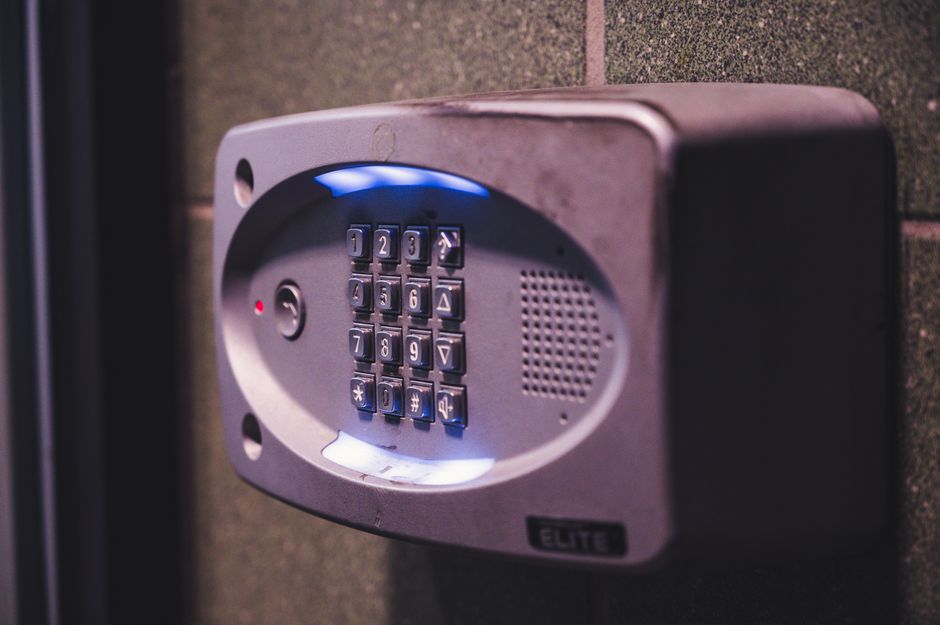
Home security systems are designed to safeguard properties against intrusions and threats. They can range from simple alarm systems to complex networks that include surveillance cameras, motion detectors, and smart home integration. With advancements in technology, modern systems offer features such as remote monitoring and alerts, enabling homeowners to keep an eye on their premises from anywhere in the world.
According to recent statistics, homes without security systems are 300% more likely to be burglarized. This alarming figure highlights the necessity of investing in an effective security solution. Whether you are a homeowner or a renter, understanding the components of these systems is crucial to making the right choice.
Types of Home Security Systems
There are several types of home security systems, each with its own unique features and benefits. The most common types include:
- Wired Security Systems: These systems are connected to a central control panel via physical wires, providing a stable and reliable connection. They are often seen as more secure but can be costly to install.
- Wireless Security Systems: Utilizing Wi-Fi or cellular networks, wireless systems are easier to install and can be relocated easily. They are ideal for renters or those who move frequently.
- Monitored Security Systems: These systems are connected to a monitoring service that alerts authorities in case of a breach. This option provides peace of mind but comes with ongoing fees.
- Unmonitored Security Systems: While these systems do not have professional monitoring, they can still deter intruders with alarms and alerts.
Key Features to Look For
When selecting a home security system, it’s essential to consider various features that enhance its effectiveness:
- Video Surveillance: Cameras allow you to monitor activities around your home. Look for systems that offer HD video quality and night vision capabilities.
- Smart Home Integration: Many modern systems can integrate with smart devices, enabling you to control lights, locks, and cameras remotely.
- Motion Detection: Systems with motion sensors can detect movement and send alerts, allowing for a timely response to potential threats.
- Mobile App Access: A user-friendly mobile app can provide real-time updates and control over your security system, no matter where you are.
For a comprehensive comparison of various options, you can refer to this resource on the home security system.
Installation and Maintenance Considerations
Installation is a critical factor when choosing a security system. Some systems are DIY-friendly, allowing homeowners to set them up without professional help. Others may require professional installation, which can add to the overall cost.
Regular maintenance is also vital to ensure that your security system functions optimally. This includes checking battery levels, updating software, and testing sensors and alarms. Many manufacturers offer maintenance packages, which can alleviate some of the burdens associated with upkeep.
Cost Analysis and Budgeting
The cost of a home security system can vary widely based on the type, features, and installation requirements. On average, homeowners can expect to spend between $200 and $1,500 for equipment and installation. Additionally, monthly monitoring fees can range from $15 to $60.
It’s crucial to establish a budget before exploring your options. Consider the long-term benefits of investing in a quality system that not only protects your home but can also potentially lower your homeowner’s insurance premiums.
Conclusion
In conclusion, selecting the right home security system is a critical decision that impacts the safety of your home and loved ones. By understanding the different types of systems, key features, installation and maintenance needs, and costs, you can make an informed choice that best suits your needs. Remember, investing in a reliable security system is not just about protection; it’s about peace of mind.