
In recent years, the concept of sustainable agriculture has gained significant traction among environmentally conscious individuals and communities. One of the most innovative approaches to achieving this is through aquaponics systems, which combine aquaculture and hydroponics to create a self-sustaining ecosystem. This article delves into the various benefits of aquaponics kits, guiding you on how to effectively implement them in your home or community garden.
What is Aquaponics?
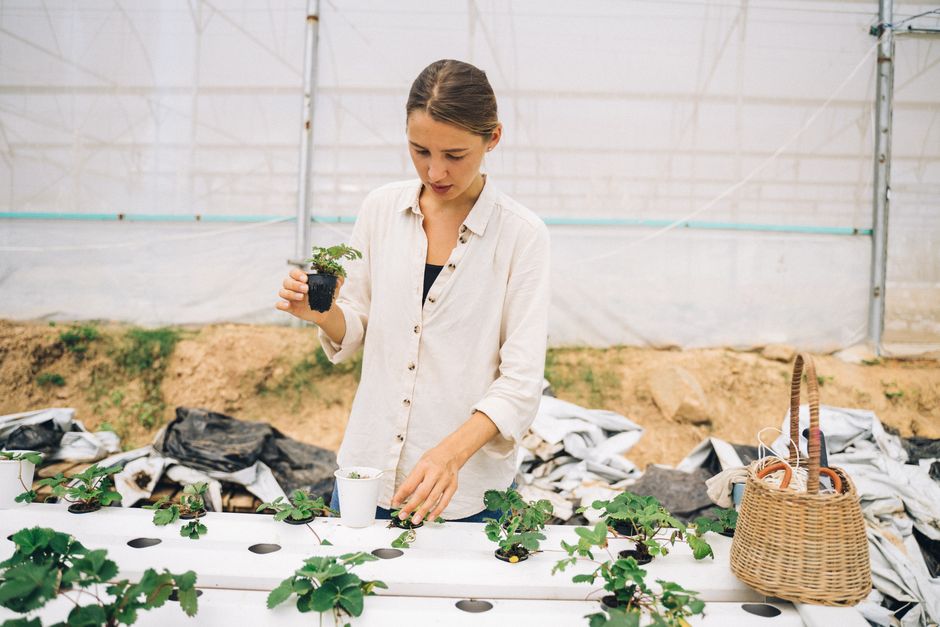
Aquaponics is a method of growing plants and fish together in a symbiotic environment. In this system, fish waste provides an organic nutrient source for the plants, while the plants help filter and purify the water, creating a balanced ecosystem. This closed-loop system not only maximizes resource efficiency but also minimizes the need for chemical fertilizers and pesticides.
By utilizing aquaponics, gardeners can produce fresh vegetables and fish simultaneously, making it a highly productive method for sustainable food production. The beauty of aquaponics lies in its ability to create a mini-ecosystem that thrives on biological processes, which can be especially beneficial for urban dwellers with limited space.
Benefits of Using Aquaponics Kits
When considering transitioning to aquaponics, using an aquaponics kit can simplify the process significantly. These kits often come with all necessary components, including fish tanks, grow beds, and pumps, making it easy for beginners to get started. Here are some key benefits:
- Space Efficiency: Aquaponics systems can be set up in small spaces, making them ideal for urban gardening.
- Water Conservation: Aquaponics uses up to 90% less water than traditional farming methods, which is crucial in areas prone to drought.
- Organic Produce: With no need for synthetic fertilizers, aquaponics produces organic vegetables and fish, promoting healthier eating habits.
Choosing the Right Aquaponics Kit
When selecting an aquaponics kit, consider factors such as the available space, your gardening goals, and the type of fish and plants you wish to grow. Kits vary in size and complexity, ranging from small countertop systems to larger setups suitable for backyards. Regardless of your choice, ensure that the kit is equipped with essential components like a water pump, grow medium, and appropriate fish species.
Additionally, it’s crucial to research the specific needs of the fish and plants you intend to cultivate. For instance, some fish thrive in warmer temperatures, while others prefer cooler waters. Understanding these requirements will ensure a successful aquaponics experience.
Challenges and Solutions in Aquaponics
While aquaponics offers many advantages, it is not without its challenges. One common issue is maintaining the right balance of fish and plant life. An imbalance can lead to poor growth or even system failure. To mitigate this, it’s essential to monitor water quality regularly and adjust the fish-to-plant ratio based on your system’s size and capacity.
Another challenge is pest management. Although aquaponics systems are less prone to pests than traditional gardens, they are not entirely immune. Employing natural pest control methods, such as introducing beneficial insects or using organic sprays, can help maintain a healthy ecosystem.
Real-Life Success Stories
Numerous individuals and organizations have successfully implemented aquaponics systems, demonstrating their viability and benefits. For example, community gardens in urban areas have adopted aquaponics to provide fresh produce to local residents. One notable case is an aquaponics project in Detroit, where abandoned lots were transformed into productive gardens, significantly improving local food security.
Additionally, educational institutions have started incorporating aquaponics into their curricula, teaching students about sustainable practices and the importance of environmental stewardship. These initiatives not only educate the next generation but also inspire communities to engage in sustainable gardening practices.
Conclusion
Aquaponics kits represent a revolutionary approach to sustainable gardening, providing a practical solution for growing food in urban environments. By understanding the principles of aquaponics and selecting the right kit, anyone can embark on a journey toward self-sufficiency and environmental responsibility. As more people become aware of the benefits of aquaponics, we can expect to see a rise in community gardens and home systems that contribute to healthier lifestyles and a more sustainable future.