
Rubber molding is an essential process in the manufacturing industry, allowing for the creation of durable and flexible products used in various applications. Manufacturers specializing in rubber molding play a crucial role in this process, providing expertise and technology to produce high-quality rubber components. In this article, we will explore the significance of rubber molding manufacturers, the processes involved, and their impact on various sectors.
The Importance of Rubber Molding
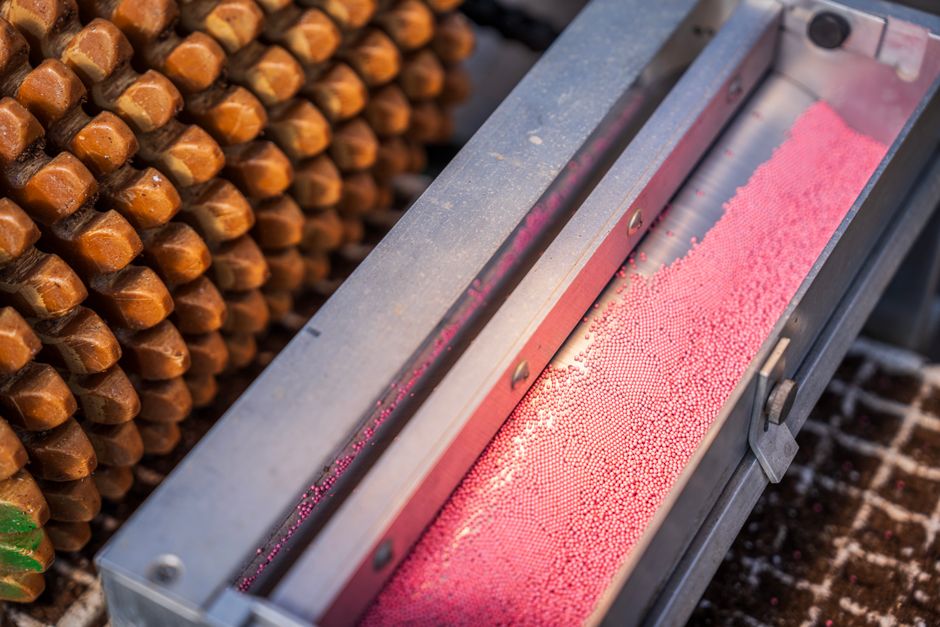
Rubber molding is a manufacturing technique that involves shaping rubber materials into specific forms. This method is widely used in producing seals, gaskets, and other components that require a high degree of flexibility and durability. The ability to create complex shapes with precision makes rubber molding a preferred choice for many industries, including automotive, aerospace, and electronics.
One of the key advantages of rubber molding is its efficiency. This process allows for mass production of parts, ensuring consistency in quality and reducing manufacturing costs. Additionally, rubber components are resistant to temperature fluctuations, chemicals, and wear, making them ideal for demanding environments.
Furthermore, the versatility of rubber molding enables manufacturers to cater to a wide range of specifications and requirements. From custom designs to standard parts, manufacturers can adapt their processes to meet the diverse needs of their clients.
Types of Rubber Molding Processes
There are several types of rubber molding processes, each with its unique characteristics and applications. The most common methods include compression molding, transfer molding, and injection molding. Each technique has its advantages, depending on the type of rubber used and the desired end product.
Compression molding involves placing raw rubber material into a heated mold, where it is shaped under pressure. This method is suitable for producing larger parts and is often used for simple shapes. Transfer molding, on the other hand, allows for more complex designs by transferring rubber from a chamber into the mold. This technique is often used for producing intricate components.
Injection molding is one of the most advanced methods, allowing for high precision and shorter production times. This technique injects rubber into a mold, where it cures and takes shape. Manufacturers often prefer this method for high-volume production due to its efficiency and ability to produce detailed designs.
Choosing the Right Rubber Molding Manufacturer
Selecting the right manufacturer for rubber molding is a critical decision for any business. Factors to consider include the manufacturer’s experience, technology, and the range of materials they can work with. A reputable manufacturer should have a proven track record of producing high-quality products and the ability to meet specific industry standards.
Moreover, communication and collaboration are essential when working with a rubber molding manufacturer. A good manufacturer will work closely with clients to understand their needs and offer solutions that align with their goals. This partnership can lead to innovative product development and improved performance in the final products.
It’s also beneficial to choose a manufacturer that invests in modern technology and equipment. Advanced machinery can enhance production efficiency and product quality, ensuring that the final rubber components meet the required specifications.
Applications of Rubber Molding in Various Industries
Rubber molding is utilized across multiple industries, showcasing its versatility and importance. In the automotive sector, rubber components such as seals and gaskets are critical for ensuring vehicle performance and safety. These parts must withstand extreme conditions, and rubber molding provides the durability needed for such applications.
In the aerospace industry, rubber molded parts are used in various applications, from vibration dampening to sealing components. The reliability of rubber in these high-stakes environments makes it an invaluable material.
Additionally, the electronics industry relies on rubber molding for producing insulators and protective casings. The demand for high-quality, durable rubber components continues to grow as technology advances and the need for reliable electrical products increases.
The Future of Rubber Molding Manufacturing
As industries evolve, so does the field of rubber molding manufacturing. Innovations in materials and processes are paving the way for more sustainable practices and enhanced product performance. Manufacturers are increasingly focusing on eco-friendly materials and processes that reduce waste and environmental impact.
Furthermore, advancements in automation and technology are streamlining production processes, enabling manufacturers to produce more complex designs with greater efficiency. These developments are likely to lead to a new era of rubber molding, where quality and sustainability are at the forefront.
In conclusion, the role of rubber molding manufacturers is vital in various industries, providing essential components that enhance product performance and reliability. By understanding the processes involved and the importance of selecting the right manufacturer, businesses can leverage the advantages of rubber molding to meet their operational needs effectively.
For more insights on rubber molding and its significance in manufacturing, you can explore the expertise of a reputable fabricante moldeo caucho.