Metal fabrication shops play a crucial role in various industries, from construction to manufacturing. These specialized facilities transform raw metal into finished products through various processes such as cutting, bending, and assembling. As the demand for customized metal products continues to grow, understanding the intricacies of metal fabrication becomes essential for businesses and consumers alike.
What is Metal Fabrication?
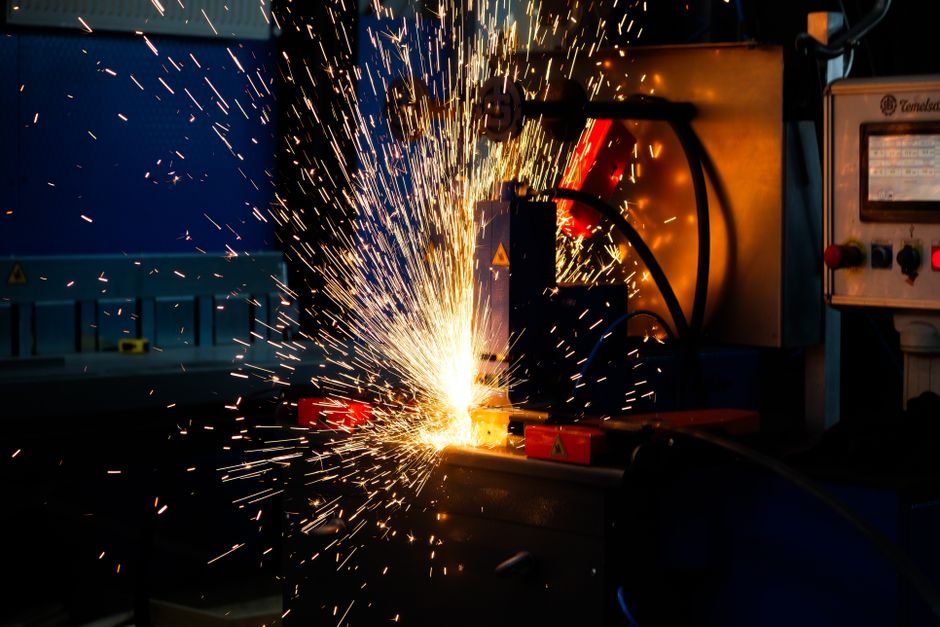
Metal fabrication is the process of creating metal structures by combining various processes, including welding, cutting, and machining. This discipline is not just about working with metal; it encompasses a wide range of activities aimed at producing components that meet specific requirements. A typical metal fabrication shop employs skilled technicians who use advanced machinery to create everything from simple brackets to complex machinery parts.
The fabrication process often begins with detailed design plans and specifications. Engineers and designers use Computer-Aided Design (CAD) software to create blueprints, which serve as the foundation for the fabrication process. Once the design is finalized, the next step involves selecting the appropriate materials based on the project requirements, including factors like strength, weight, and corrosion resistance.
Key Processes in Metal Fabrication
Several key processes define metal fabrication, each serving a unique purpose in the production of finished goods. The primary processes include cutting, bending, welding, and assembling.
1. **Cutting**: This process involves removing material from a larger piece to achieve the desired shape. Techniques such as laser cutting, plasma cutting, and waterjet cutting are commonly used, allowing for high precision and efficiency.
2. **Bending**: Once the metal is cut, it may need to be bent to create shapes or angles. Hydraulic and mechanical press brakes are often employed to perform this task, ensuring consistent results.
3. **Welding**: Welding is a critical step in metal fabrication that involves joining two or more pieces of metal together. Various welding techniques, such as MIG, TIG, and arc welding, are utilized depending on the materials and project specifications.
Applications of Metal Fabrication
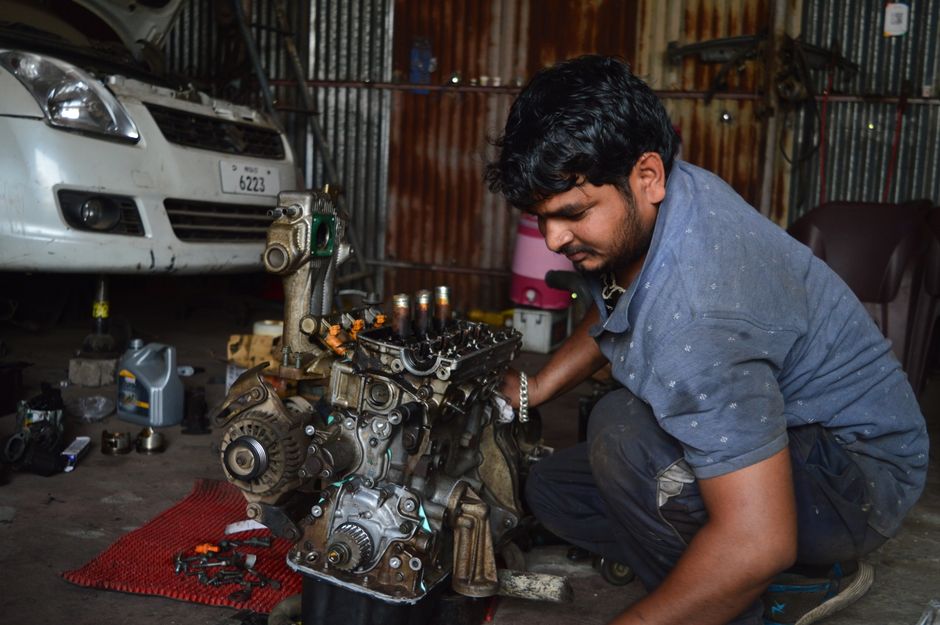
The applications of metal fabrication are virtually limitless. Industries such as automotive, aerospace, construction, and electronics rely heavily on fabricated metal components for their operations. For example, in the automotive industry, metal fabrication is crucial for producing parts like chassis, frames, and engine components.
In construction, fabricated metal structures such as beams, columns, and staircases are essential for building integrity and safety. Additionally, the growing trend of custom metal fabrication allows businesses to create bespoke solutions that cater to their unique needs, enhancing product performance and aesthetic appeal.
The Future of Metal Fabrication
As technology evolves, so does the field of metal fabrication. Innovations such as automation and robotics are increasingly being integrated into fabrication processes, improving efficiency and reducing labor costs. Moreover, advancements in materials science are leading to the development of new alloys and composites that offer enhanced performance characteristics.
Furthermore, the rise of sustainable manufacturing practices is prompting metal fabrication shops to adopt environmentally friendly processes, such as recycling scrap metal and reducing waste. This shift not only benefits the environment but also appeals to consumers who prioritize sustainability in their purchasing decisions.
Conclusion
Metal fabrication shops are pivotal in transforming raw materials into functional products that drive various industries forward. By understanding the processes, applications, and future trends of metal fabrication, businesses can make informed decisions about their production needs, ensuring they stay competitive in an ever-evolving market. As the demand for customized and sustainable metal products continues to grow, the importance of metal fabrication will only increase, making it a vital component of modern manufacturing.