
As the world increasingly shifts towards renewable energy sources, the role of energy storage systems has never been more critical. These systems provide a solution to the intermittency of renewable energy, allowing for the efficient management of energy supply and demand. In this article, we will explore what energy storage systems are, their types, applications, and the future of energy storage technology.
What are Energy Storage Systems?
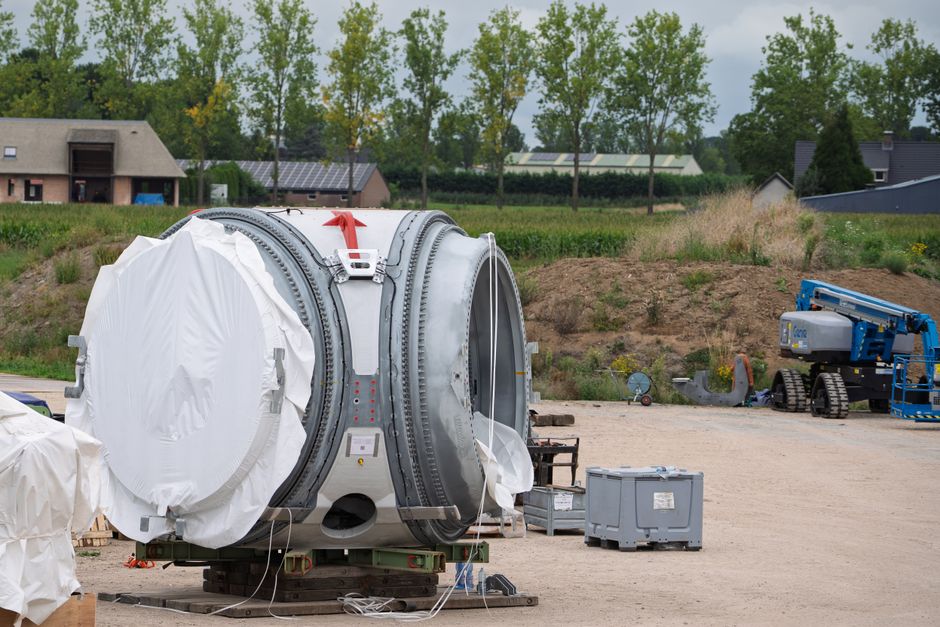
Energy storage systems (ESS) are technologies that store energy for use at a later time. They can capture energy from various sources, including renewable energy such as solar and wind, and store it for when it is needed most. This capability is essential for balancing supply and demand in the energy grid.
At their core, energy storage systems can take many forms, including batteries, pumped hydroelectric storage, flywheels, and compressed air systems. Each type has its advantages and disadvantages, depending on the intended application and the specific energy needs.
Types of Energy Storage Systems
There are several types of energy storage systems, each tailored for different applications. The most common types include:
- Batteries: Lithium-ion batteries are the most widely used in energy storage today due to their efficiency and declining costs. They are ideal for residential and commercial applications.
- Pumped Hydroelectric Storage: This method uses excess energy to pump water to a higher elevation. When energy is needed, the water is released to generate electricity. It is one of the oldest and most established forms of energy storage.
- Flywheels: These devices store energy in the form of kinetic energy. They can quickly release energy when needed and are suitable for providing short bursts of power.
- Compressed Air Storage: This system compresses air in underground caverns during periods of low demand and releases it to generate electricity when demand rises.
Applications of Energy Storage Systems
Energy storage systems have a wide range of applications across various sectors. They are used in grid stabilization, renewable energy integration, and enhancing energy efficiency. For instance, energy storage can help balance the electricity grid by storing excess energy during low demand periods and releasing it during peak demand.
In residential settings, homeowners can install energy storage systems to store solar energy generated during the day for use at night. This not only reduces electricity bills but also enhances energy independence. Furthermore, industries are increasingly adopting energy storage solutions to optimize their energy use and reduce costs.
The Future of Energy Storage Technology
The future of energy storage technology looks promising, with ongoing research and development aimed at improving efficiency and reducing costs. Innovations such as solid-state batteries and advanced flow batteries are expected to enhance the performance of energy storage systems significantly.
Moreover, as the demand for renewable energy continues to grow, the need for energy storage systems will become even more critical. Governments and private sectors are investing heavily in energy storage solutions, recognizing their potential to transform the energy landscape.
As we move towards a more sustainable future, the role of energy storage systems will be pivotal in enabling a reliable and resilient energy grid. One such innovative solution is the energy storage system, which is becoming increasingly vital in our pursuit of clean energy.
Conclusion
Energy storage systems are an essential component of the modern energy landscape. They provide solutions to the challenges posed by renewable energy sources, helping to stabilize the grid and improve energy efficiency. As technology continues to advance, energy storage systems will play a crucial role in facilitating the transition to a more sustainable and resilient energy future.