
In today’s global trade environment, where goods are transported across continents, the importance of cargo insurance cannot be overstated. Whether you’re a small business owner or part of a large corporation, understanding how to protect your shipments is crucial. This article delves into the intricacies of cargo insurance, exploring its benefits, types, and the essential factors to consider when selecting a policy.
Understanding Cargo Insurance
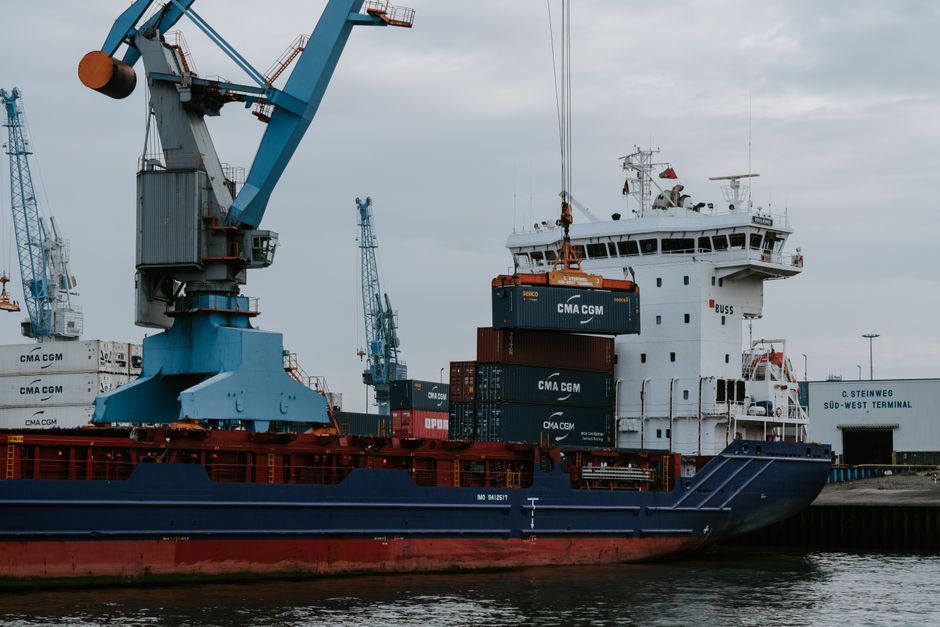
At its core, cargo insurance is designed to protect goods while they are in transit. It serves as a safety net against potential losses due to theft, damage, or natural disasters. According to the International Maritime Organization, approximately 10% of goods transported globally are lost or damaged during transit, making cargo insurance a critical component of international shipping.
When you purchase cargo insurance, you are essentially transferring the financial risk of loss or damage to the insurer. This means that in the event of an unfortunate incident, you are not left to bear the brunt of the financial impact alone.
Additionally, cargo insurance policies can vary widely in coverage, which is why it’s essential to understand the different types available.
Types of Cargo Insurance
Cargo insurance typically comes in several forms, including but not limited to:
- All-Risk Coverage: This type of policy provides the broadest level of protection, covering losses from almost any cause except those specifically excluded.
- Named Perils Coverage: This policy only covers specific risks that are explicitly mentioned, such as fire, theft, or collision.
- General Average Coverage: This applies when a deliberate loss is incurred to protect the larger shipment. For instance, if a ship must jettison cargo to avoid sinking, those costs are shared among all stakeholders.
Each type of coverage has its advantages and limitations, making it essential to assess your shipping needs carefully. For example, a business shipping high-value electronics may want to opt for all-risk coverage, while a company transporting bulk commodities might choose named perils coverage to save costs.
Factors to Consider When Choosing Cargo Insurance
When selecting a cargo insurance policy, several factors should be taken into account:
- Value of Goods: Understanding the total value of the goods being shipped is critical. Underinsurance can lead to significant losses if an incident occurs.
- Mode of Transport: Different modes of transportation (air, sea, road) come with varying risks. For instance, maritime transport is susceptible to weather-related issues, while air freight may face different challenges.
- Destination: The risk level can vary significantly based on the destination. Some regions may have higher theft rates or natural disaster risks, influencing the type of coverage needed.
Additionally, consulting with an insurance broker or expert can provide insights tailored to your specific shipping needs, ensuring you choose the most suitable policy.
Benefits of Cargo Insurance
The advantages of having cargo insurance extend beyond just financial protection:
- Peace of Mind: Knowing that your goods are protected allows businesses to focus on their core operations without worrying about potential losses.
- Enhanced Credibility: Companies that have cargo insurance may find it easier to build trust with clients and partners, demonstrating their commitment to safeguarding assets.
- Financial Stability: Insurance can help mitigate financial losses, ensuring that a business can recover quickly from unforeseen events.
Overall, cargo insurance is not just an additional expense; it is a necessary investment in the sustainability and growth of a business.
Conclusion
In conclusion, as global trade continues to expand, the importance of cargo insurance will only increase. With the potential for significant financial losses due to unforeseen circumstances, investing in a comprehensive cargo insurance policy is a wise decision for any business involved in shipping. By understanding the types of coverage available and the factors to consider when selecting a policy, businesses can protect their shipments effectively and ensure smooth operations.