
In the world of agriculture, uncertainty is an everyday reality. Farmers face numerous challenges, from unpredictable weather patterns to pest invasions and market fluctuations. This unpredictability can threaten their livelihoods. Therefore, many farmers turn to crop insurance as a safety net. This article delves into the essentials of crop insurance, its types, benefits, and critical considerations for farmers.
What is Crop Insurance?
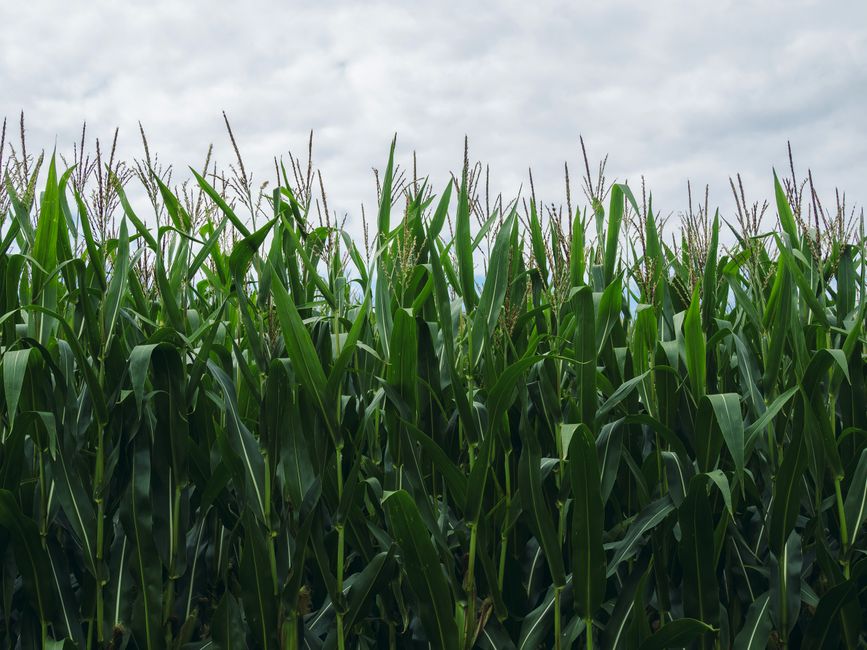
Crop insurance is a form of insurance designed to protect farmers against the loss of their crops due to unforeseen events. These events can include natural disasters such as droughts, floods, hurricanes, and other catastrophic occurrences. The primary purpose of crop insurance is to provide farmers with financial stability when faced with these unpredictable challenges.
Farmers typically pay a premium to obtain this insurance, which can cover a portion of the losses incurred. In some regions, government programs may assist in subsidizing these premiums to encourage participation among farmers.
Understanding the specifics of crop insurance is crucial, as different policies may cover different types of risks. Farmers must evaluate their specific needs and the risks they face in their particular location.
Types of Crop Insurance
There are primarily two types of crop insurance: yield-based and revenue-based insurance. Yield-based insurance covers losses due to reduced crop yield as compared to pre-established norms. If a farmer’s yield falls below a certain threshold, they will receive compensation based on the difference.
On the other hand, revenue-based insurance protects against loss of revenue due to the combination of reduced yield and price drops. This type is particularly beneficial in volatile markets where prices can fluctuate significantly.
Farmers must choose the type of insurance that best aligns with their operational goals and the risks inherent in their farming practices. Consulting with an insurance expert can provide valuable insights into the most suitable options.
Benefits of Crop Insurance
The benefits of crop insurance extend beyond mere financial compensation. Firstly, it allows farmers to manage risk effectively, giving them peace of mind to invest in their operations without the constant fear of losing everything to a single disaster.
Moreover, having crop insurance can enhance a farmer’s ability to secure loans and attract investors, as lenders often view insured operations as lower-risk ventures. Additionally, crop insurance contributes to the overall stability of the agricultural sector, ensuring that food supply chains remain intact even in adverse conditions.
Statistics show that farms with crop insurance are more likely to recover from disasters and continue operating than those without. This resilience is vital for maintaining food production levels in the face of climate change and other agricultural challenges.
How to Choose the Right Crop Insurance Policy
Selecting an appropriate crop insurance policy requires careful consideration of several factors. Farmers should start by assessing their specific risks based on their crop types, geographical location, and historical weather patterns. This analysis will help determine which type of coverage is necessary.
Additionally, farmers should compare the terms and conditions of various insurance providers. Premium costs, coverage limits, and the claims process can vary widely among insurers. It is advisable to seek multiple quotes and read customer reviews to gauge the reliability of the providers.
Finally, seeking advice from agricultural extension services or insurance advisors can provide farmers with the necessary information to make informed decisions about their crop insurance needs.
Challenges and Considerations
While crop insurance offers numerous benefits, it is not without its challenges. One significant concern is the complexity of insurance policies, which can often be difficult to understand for the average farmer. This complexity may lead to underinsurance or confusion during the claims process.
Additionally, there may be exclusions in coverage that farmers need to be aware of. For instance, certain policies might not cover losses due to specific diseases or pest infestations, which can be a significant drawback for some crops.
Farmers must be proactive in understanding their policies and regularly reviewing them to ensure they meet their current needs. This ongoing education is essential in maintaining adequate protection as market and environmental conditions evolve.
Conclusion
Crop insurance serves as a vital safety net for farmers facing the unpredictability of agricultural production. By understanding the various types of insurance available, the benefits they provide, and the challenges they present, farmers can make informed decisions that will protect their livelihoods. In an era where climate change and market volatility are increasingly prevalent, investing in crop insurance is not just wise; it is essential for ensuring sustainability and resilience in farming.