
In the ever-evolving world of the restaurant industry, managing operations efficiently is crucial for success. From taking orders to processing payments, the integration of technology plays a significant role in streamlining these processes. One of the most transformative tools in this context is the Point of Sale (POS) system. This article explores the benefits, features, and implementation strategies of a restaurant POS system, showcasing how it can enhance operational efficiency and improve customer satisfaction.
Understanding the Basics of Restaurant POS Systems
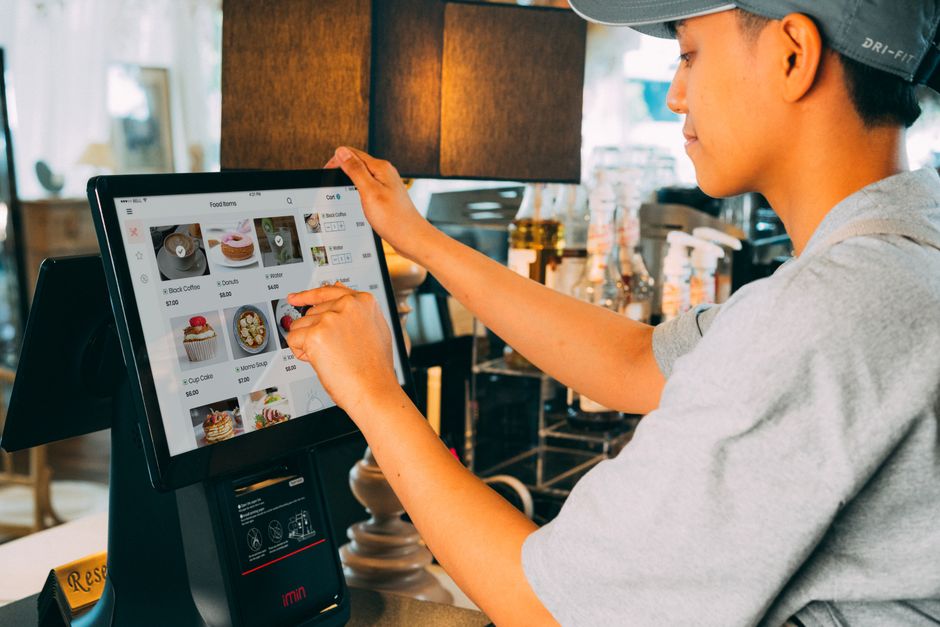
A restaurant POS system serves as the central hub for managing various aspects of a restaurant’s operations. It integrates hardware and software to facilitate functions such as order entry, payment processing, and inventory management. At its core, a POS system helps restaurant owners streamline their operations, improve accuracy, and reduce wait times for customers.
Modern POS systems come equipped with user-friendly interfaces, enabling staff to quickly and easily input orders. This efficiency not only enhances the customer experience but also allows for better management of the kitchen and front-of-house operations. Additionally, many systems offer cloud-based solutions, allowing for real-time data access and management from anywhere.
Key Features of an Effective Restaurant POS System
When selecting a restaurant POS system, it’s essential to consider several key features that can significantly impact your operational efficiency. First and foremost, the system should support mobile ordering and payment processing. This capability allows servers to take orders directly at the table, reducing the time between order placement and fulfillment.
Another crucial feature is inventory management. An effective POS system should track inventory levels in real-time, alerting restaurant managers when stock is low. This functionality helps prevent over-ordering or wastage, ultimately contributing to better financial management.
Moreover, customer relationship management (CRM) tools integrated into POS systems can enhance customer loyalty programs. By collecting data on customer preferences and dining habits, restaurants can tailor their marketing strategies and promotions to meet the needs of their clientele.
Implementing a Restaurant POS System: Best Practices
Implementing a new POS system can be a daunting task, but with careful planning and execution, the transition can be smooth. First, it’s vital to involve your staff in the selection process. Their feedback can provide valuable insights into the features that will be most beneficial for daily operations.
Once the system is chosen, invest in comprehensive training for your team. This training should cover not only the technical aspects of using the POS but also best practices for maximizing its features. A well-trained staff can leverage the system to enhance service delivery and improve operational efficiency.
Finally, regularly evaluate the POS system’s performance. Gather feedback from staff and customers to identify areas for improvement. This ongoing assessment will help ensure that the system continues to meet the evolving needs of your restaurant.
The Impact of Restaurant POS Systems on Customer Experience
The integration of a robust POS system can significantly enhance the overall customer experience. By reducing wait times and improving order accuracy, restaurants can create a more enjoyable dining experience for their guests. For instance, with mobile ordering, customers can place their orders seamlessly, allowing them to focus on enjoying their meal rather than waiting for service.
Furthermore, personalized service is made easier with the data collected through POS systems. Staff can access customer history and preferences, enabling them to make tailored recommendations. This personalized touch not only fosters customer loyalty but also increases the likelihood of repeat visits.
Future Trends in Restaurant POS Systems
As technology continues to advance, the future of restaurant POS systems looks promising. Innovations such as artificial intelligence and machine learning are beginning to play a role in predictive analytics, helping restaurants forecast demand and optimize staffing levels accordingly.
Additionally, the rise of contactless payments and mobile wallets is reshaping how customers transact. Adopting a POS system that supports these payment methods will be essential for restaurants looking to stay competitive in a fast-paced market.
Moreover, integrating sustainability features, such as waste tracking and energy management, is becoming increasingly important as consumers become more environmentally conscious. A modern POS system can assist restaurants in tracking their sustainability efforts, appealing to a growing demographic of eco-conscious diners.
Conclusion
In conclusion, a restaurant POS system is not just a tool for processing transactions; it is a vital component of effective restaurant management. By choosing the right system and implementing it thoughtfully, restaurant owners can streamline operations, enhance customer satisfaction, and ultimately drive profits. As the industry continues to evolve, staying abreast of technological advancements and trends will be key to maintaining a competitive edge. For those looking to explore the capabilities of a modern restaurant POS system, the potential for growth and improvement is substantial.