
Septic tanks play a crucial role in managing wastewater for homes not connected to municipal sewer systems. Understanding the importance of regular septic tank cleaning is vital for maintaining a healthy home environment and ensuring the longevity of your septic system. In this article, we will delve into the reasons why septic tank cleaning is essential, how often it should be done, and what you can expect from the cleaning process.
Why is Septic Tank Cleaning Important?
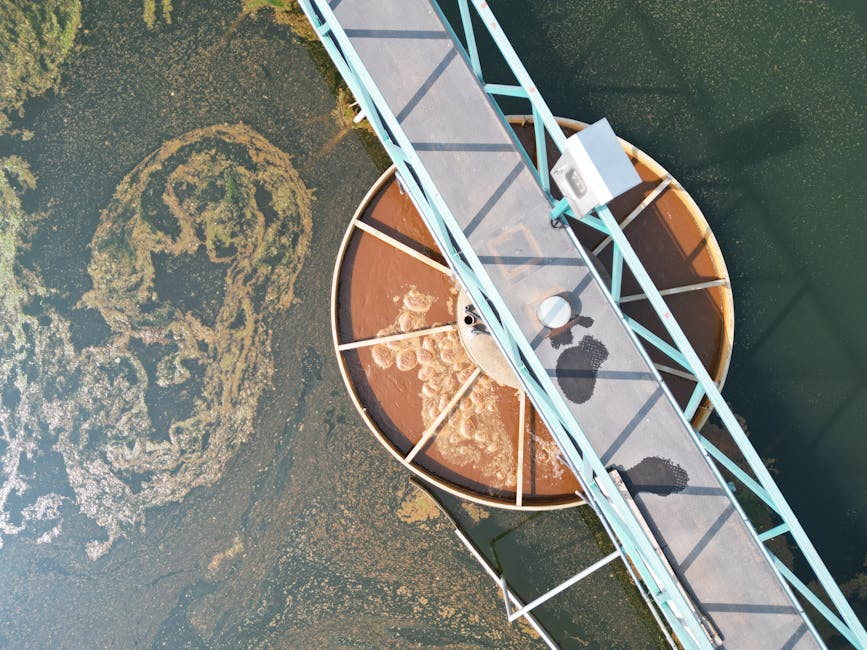
Septic tank cleaning is not just a maintenance task; it is essential for the overall health of your property. Over time, solids and sludge accumulate in the tank, which can lead to blockages and system failures. According to the Environmental Protection Agency (EPA), a properly maintained septic system can last up to 30 years. However, neglect can significantly reduce this lifespan. Regular cleaning helps to prevent costly repairs and replacements, making it a wise investment.
Moreover, an uncleaned septic tank can lead to environmental contamination. If the tank overflows, untreated waste can seep into the ground, potentially contaminating groundwater and local water supplies. This poses health risks to the community and can result in legal ramifications for homeowners. Therefore, understanding the necessity of septic maintenance is crucial.
How Often Should You Clean Your Septic Tank?
The frequency of septic tank cleaning depends on several factors, including the size of the tank, the number of occupants in your home, and your water usage habits. Generally, it is recommended to have your septic tank pumped every 3 to 5 years. However, households with larger families or those that use a lot of water may need to clean their tanks more frequently.
For instance, a family of four using a typical 1,000-gallon septic tank may need cleaning every three years, while a smaller household might stretch that to five years. Keeping track of your usage and scheduling regular inspections can help ensure your system remains in good working order.
The Septic Tank Cleaning Process
The cleaning process typically involves pumping out the sludge and scum from the tank. This is usually done by a professional septic service provider who will use a vacuum truck to remove the waste. After pumping, the technician may inspect the tank for any signs of damage or wear.
It’s also a good time to check the filters and baffles to ensure everything is functioning correctly. Some companies may also offer additional services, such as cleaning the drain field, which can further enhance the system’s efficiency. Understanding what to expect during this process can help ease any concerns you may have.
Signs Your Septic Tank Needs Cleaning
There are several signs that indicate your septic tank may need cleaning. These include slow drains, gurgling sounds from the plumbing, odors around the tank or drain field, and sewage backups in your home. If you notice any of these issues, it’s essential to act quickly to avoid more severe problems.
Additionally, if you have not had your septic tank cleaned in over three years, it is wise to schedule an inspection. Regular monitoring of your system can prevent unexpected failures and costly repairs.
Cost of Septic Tank Cleaning
The cost of septic tank cleaning can vary based on factors such as location, tank size, and service provider. On average, homeowners can expect to pay between $250 and $500 for a professional cleaning. While this may seem like a significant expense, consider it a small price to pay compared to the potential costs of septic system failure.
Moreover, some companies offer maintenance plans that include regular inspections and cleanings at a discounted rate. Investing in these plans can help you save money in the long run by preventing major issues.
Conclusion
In conclusion, septic tank cleaning is a vital aspect of home maintenance that should not be overlooked. Regular cleaning helps ensure the longevity of your septic system and protects the health of your family and the environment. By understanding the importance of this task, how often it should be done, and the signs of an impending issue, homeowners can better manage their septic systems and avoid costly repairs. Remember, when it comes to maintaining your septic system, prevention is always better than cure.