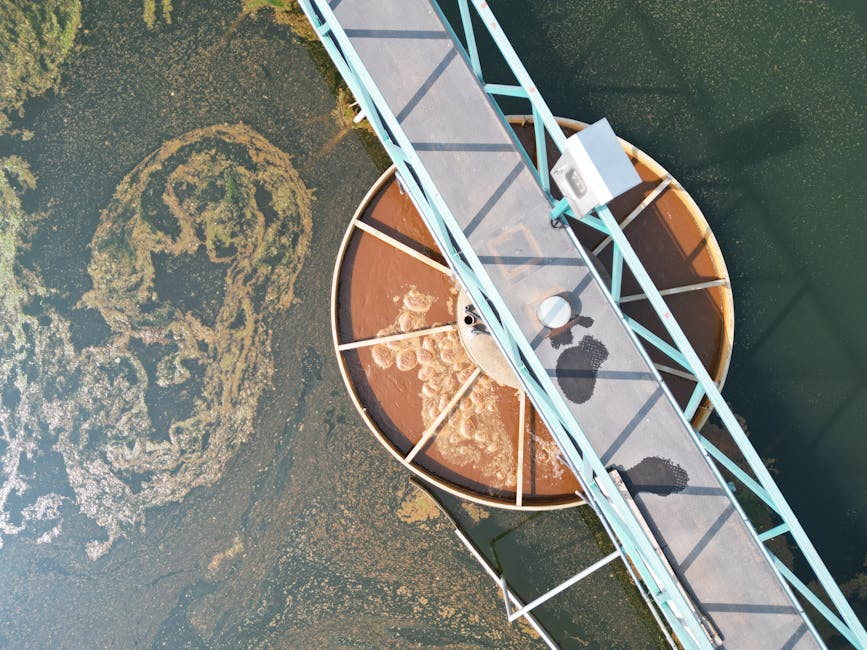
Septic tanks play a crucial role in managing wastewater for homes not connected to centralized sewage systems. Regular maintenance and cleaning of these systems are vital to ensure their longevity and efficiency. Ignoring septic tank care can lead to costly repairs and health hazards. This guide will explore the importance of septic tank cleaning, the steps involved, and best practices to maintain your system effectively.
Understanding Your Septic System
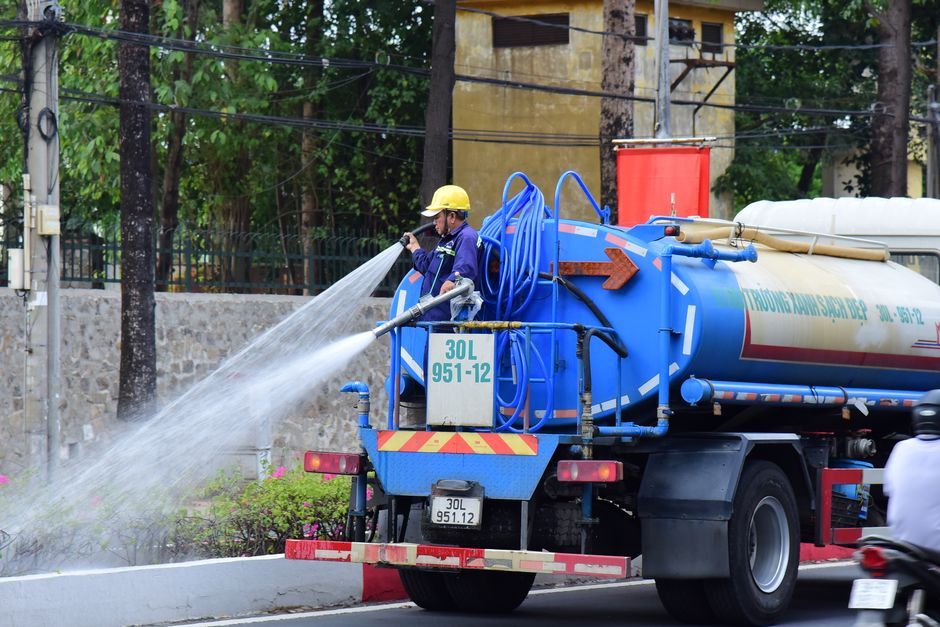
A septic system consists of a septic tank and a drain field. Wastewater from your home flows into the septic tank, where solids settle at the bottom and liquids move into the drain field for further treatment. Understanding how this system operates is essential for proper maintenance. The tank typically requires cleaning every 3 to 5 years, depending on usage and household size.
Homeowners should monitor septic tank levels regularly. A professional service can help assess the tank’s condition. Regular inspections can identify issues before they escalate into costly repairs. Knowing your system’s capacity and usage patterns can help you determine when to schedule cleaning.
Signs Your Septic Tank Needs Cleaning
Several indicators can suggest your septic tank is due for a cleaning. One of the most common signs is slow drains throughout the house. If multiple drains are slow, it may indicate a full tank. Additionally, you may notice sewage odors around your yard or near the tank. This can be a sign of a backup or leak.
Another sign is lush, green grass over the drain field, which can indicate that untreated sewage is surfacing. Pay attention to any gurgling noises in your plumbing, which can signal air trapped in the system due to a blockage. Addressing these issues promptly can prevent severe damage and costly repairs.
The Cleaning Process
Cleaning a septic tank involves several steps, typically performed by professionals. First, they will locate the access ports and inspect the tank’s condition. Next, they will pump out the solids that have accumulated at the bottom. This process usually takes a couple of hours, depending on the tank’s size.
After pumping, the technician will inspect the tank for any signs of damage or wear. They will also check the baffles and filters to ensure they are functioning correctly. Once the cleaning is complete, they will document the service performed. Regular cleaning is not just about removing solids; it also helps in assessing the overall health of your septic system.
Best Practices for Septic Tank Maintenance
To prolong the life of your septic system, practice good maintenance habits. One crucial aspect is limiting water usage. Spreading out laundry loads and fixing leaks can reduce the amount of water entering the tank. Additionally, avoid flushing non-biodegradable items, such as wipes, feminine hygiene products, or grease, as these can clog the system.
Regular inspections and maintenance are also essential. Consider scheduling a professional inspection every year, even if cleaning is only needed every few years. These inspections can help spot potential issues early. You might also want to explore septic maintenance products designed to break down solids and improve system performance.
Conclusion
Septic tank cleaning is a critical aspect of home maintenance for those relying on septic systems. Understanding how your septic system works, recognizing the signs that it needs cleaning, and following best practices can save you from expensive repairs and health risks. By investing in regular cleaning and maintenance, you can ensure your septic system operates efficiently for years to come.