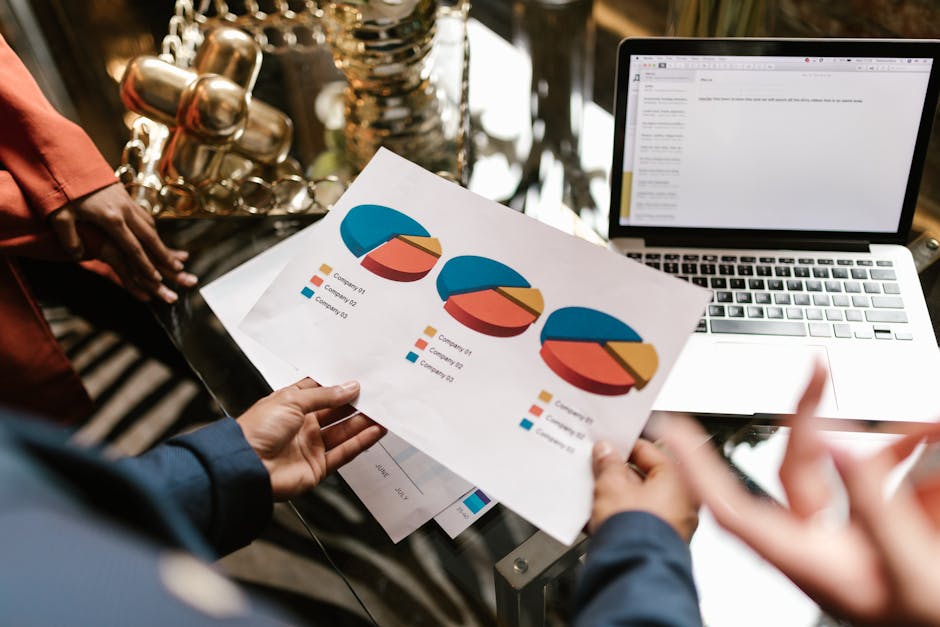
Education is often termed as the key to success, but its significance extends far beyond mere career advancement. It shapes individuals, influences communities, and ultimately molds the fabric of society. In a rapidly changing world, the role of education is becoming increasingly crucial as it equips individuals with the necessary skills and knowledge to navigate new challenges. This article delves into the multifaceted nature of education, examining its impact on personal development, social equity, and economic growth.
The Role of Education in Personal Development
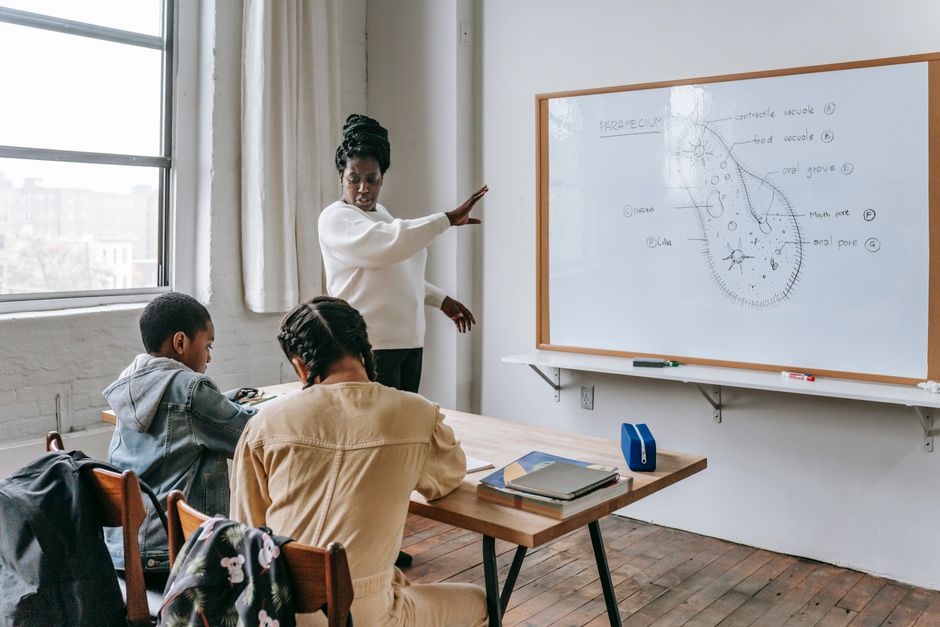
Education serves as a foundation for personal growth and self-discovery. It encourages critical thinking, enhances problem-solving abilities, and promotes creativity. For instance, students who engage in diverse educational experiences, such as extracurricular activities and interdisciplinary studies, often develop a broader perspective on life.
Moreover, education fosters emotional intelligence. Through collaborative projects and discussions, learners develop empathy and interpersonal skills, which are essential for navigating professional and personal relationships. A 2020 study by the World Economic Forum found that 94% of employers consider emotional intelligence as an important factor when hiring new employees, highlighting the need for educational institutions to prioritize these skills.
Furthermore, education empowers individuals to pursue their passions. With access to various fields of study, learners can explore their interests and talents. This exploration not only leads to personal satisfaction but also contributes to a more engaged and motivated workforce.
Education as a Tool for Social Equity
One of the most profound impacts of education is its potential to level the playing field. Access to quality education can significantly reduce socioeconomic disparities. According to UNESCO, every additional year of schooling can increase an individual’s income by up to 10%, providing a pathway out of poverty.
Moreover, education can break down barriers related to gender and ethnicity. Programs aimed at promoting girls’ education have shown remarkable results in communities where traditional gender roles restrict access to learning. For example, initiatives in countries like Afghanistan and Bangladesh have increased female enrollment rates, leading to improved community health and economic outcomes.
However, despite the positive trends, challenges remain. In many parts of the world, access to quality education is still limited due to factors such as poverty, geographical location, and political instability. Addressing these issues requires a concerted effort from governments, non-profits, and international organizations to ensure that every child has the opportunity to learn.
The Economic Benefits of Education
Education is not only a vehicle for personal growth and social equity; it is also a critical driver of economic development. A well-educated workforce is essential for innovation and productivity. Countries that invest in education tend to experience higher rates of economic growth. For instance, research from the Organization for Economic Cooperation and Development (OECD) indicates that countries with higher levels of education achieve greater economic performance.
Moreover, education fosters entrepreneurship. Individuals with higher education levels are more likely to start their own businesses, contributing to job creation and economic dynamism. In the United States, for example, approximately 40% of new businesses are founded by individuals with a college degree, as reported by the Kauffman Foundation.
In addition, a strong educational system attracts foreign investment. Companies are more likely to invest in regions where a skilled workforce is available. This influx of investment can lead to improved infrastructure, job creation, and overall community development.
Challenges Facing Modern Education Systems
Despite the undeniable benefits of education, modern systems face several challenges that must be addressed. One significant issue is the digital divide. As technology becomes increasingly integrated into education, disparities in access to digital resources can hinder learning opportunities. Students from low-income families often lack access to computers and high-speed internet, which can put them at a disadvantage compared to their peers.
Additionally, the COVID-19 pandemic has exposed and exacerbated existing inequalities in education. Remote learning has been a challenge for many students, particularly those without adequate support at home. The shift to online education has highlighted the need for improved educational policies that address these disparities and ensure all students have equal access to learning resources.
Finally, there is a growing need for education systems to adapt to the changing job market. As automation and artificial intelligence reshape industries, educational curricula must evolve to equip students with the skills needed for future careers. Collaboration between educational institutions and industries can facilitate this adaptation, creating programs that align with workforce demands.
Conclusion
Education is a powerful tool that shapes individuals and societies. Its impact extends beyond personal development to encompass social equity and economic growth. While challenges persist, the importance of a robust educational system cannot be overstated. By investing in education and addressing existing disparities, we can create a brighter future for all. For those looking to enhance their educational experience, participating in programs such as In person Nclex review in Houston can provide valuable insights and skills necessary for professional advancement.