
Cardiopulmonary Resuscitation (CPR) is a critical life-saving technique that can be performed in emergencies where someone’s breathing or heartbeat has stopped. Understanding CPR not only empowers individuals to act decisively in emergencies but also significantly increases the chances of survival for those in need. In this article, we will explore the essential components of CPR, its importance, and the steps involved in performing it effectively.
What is CPR?
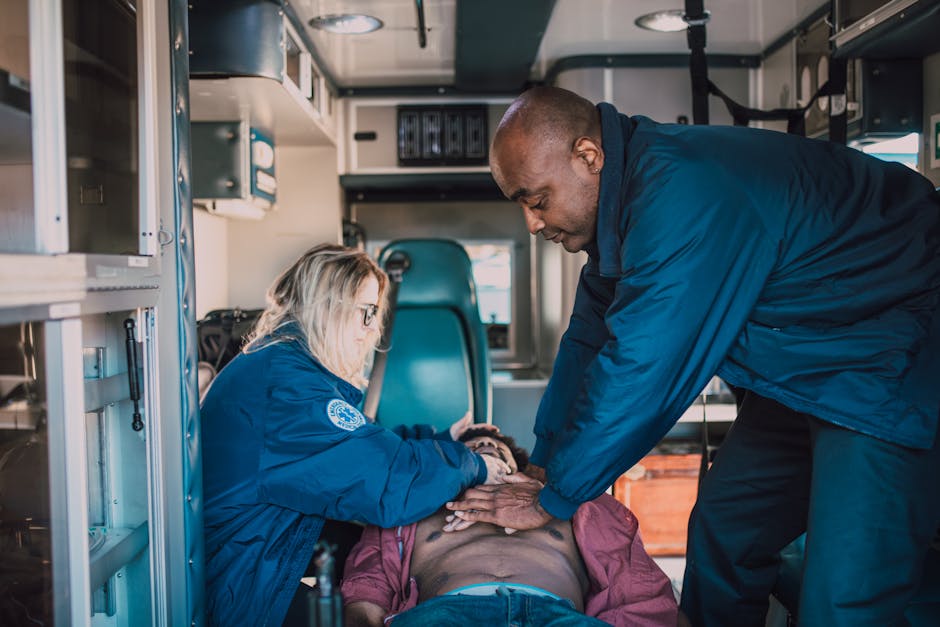
CPR is a combination of chest compressions and rescue breaths designed to maintain blood flow and oxygenation to the brain and other vital organs during cardiac arrest. This technique can be applied to adults, children, and infants, though the methods and depth of compressions may vary.
The practice of CPR dates back to the 18th century but has evolved significantly over the years. The current guidelines emphasize the importance of high-quality chest compressions to maintain circulation when the heart is unable to do so. According to the American Heart Association, immediate CPR can double or triple a victim’s chance of survival.
Why is CPR Important?
The significance of CPR cannot be overstated, especially when considering the statistics surrounding cardiac arrest. In the United States alone, approximately 350,000 people experience out-of-hospital cardiac arrests each year. Sadly, less than 10% of these individuals survive. However, when a bystander administers CPR, the survival rate increases significantly.
Additionally, CPR is not only applicable to cardiac arrests. It can also be used in cases of drowning, drug overdoses, or severe choking incidents. Knowing CPR prepares individuals to respond effectively to a variety of emergencies, potentially saving lives when every second counts.
How to Perform CPR: The Steps
Performing CPR involves a series of steps that anyone can learn through training and practice. The basic steps include:
1. Assess the situation: Ensure the scene is safe. Check the victim’s responsiveness by tapping their shoulder and shouting, “Are you okay?” If there is no response, call for emergency services immediately.
2. Begin chest compressions: Place the heel of one hand on the center of the victim’s chest, then place the other hand on top. Keep your arms straight and use your body weight to compress the chest at least 2 inches deep at a rate of 100-120 compressions per minute.
3. Provide rescue breaths: After 30 compressions, give 2 rescue breaths if trained to do so. Ensure the airway is open by tilting the head back slightly and pinching the nose. Seal your lips around the victim’s mouth and deliver the breaths, watching for the chest to rise.
4. Repeat as necessary: Continue the cycles of 30 compressions and 2 breaths until emergency help arrives or the victim shows signs of life.
For those looking to gain practical skills and confidence in performing CPR, attending a course can be invaluable. Many organizations offer training sessions, such as HLR kurs Stockholm, where participants can learn hands-on techniques and receive certification.
CPR for Different Age Groups
CPR techniques vary depending on the age of the victim. For adults, the standard method involves chest compressions and rescue breaths. However, for infants and children, the approach is modified to prevent injury.
In infants (under 1 year), use two fingers for chest compressions, and provide gentle rescue breaths while covering the mouth and nose with your mouth. For children (1 to puberty), the technique is similar to adults, but the compressions should be shallower and delivered with less force.
Understanding these differences is crucial for anyone who may find themselves in a situation requiring CPR for various age groups. Proper training ensures that you can adapt your technique based on the individual you are assisting.
The Role of CPR in Public Health
CPR training is an essential component of public health initiatives aimed at reducing mortality rates from cardiac arrest. Communities that actively promote CPR education and awareness see higher survival rates in cardiac arrest cases.
Moreover, public access to Automated External Defibrillators (AEDs) alongside CPR training enhances the overall effectiveness of emergency responses. AEDs are portable devices that can analyze heart rhythms and deliver an electric shock if necessary, and their availability in public spaces can greatly increase the chances of survival for victims experiencing cardiac arrest.
Advocacy for CPR training in schools, workplaces, and community centers is crucial. Teaching individuals how to respond in emergencies creates a culture of preparedness and can lead to lives saved.
Conclusion
Cardiopulmonary Resuscitation (CPR) is a lifesaving skill that everyone should learn. Understanding the importance of CPR and being equipped with the knowledge to perform it can make a profound difference in emergency situations. With the right training, anyone can become a first responder when it matters most. Whether at home, in the workplace, or in public spaces, having the ability to perform CPR can save lives and provide hope in critical moments.