Stainless steel is an alloy known for its remarkable resistance to corrosion and staining, making it a preferred choice in a variety of industries. From kitchen appliances to construction materials, the applications of stainless steel are vast and varied. This article explores the properties, advantages, and diverse uses of stainless steel, shedding light on why it remains a material of choice in modern manufacturing and design.
Understanding Stainless Steel
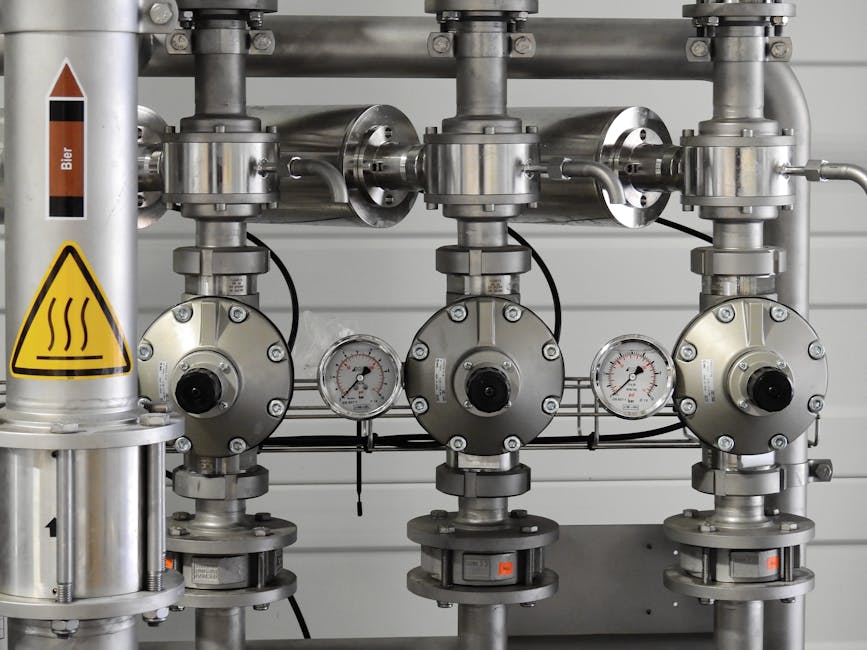
Stainless steel is primarily composed of iron, with a minimum of 10.5% chromium content. The addition of chromium gives the steel its characteristic resistance to rust and corrosion. Other elements, such as nickel and molybdenum, may also be included to enhance specific properties. This unique composition not only contributes to the durability of stainless steel but also to its aesthetic appeal, as it can be polished to a high shine.
There are several grades of stainless steel, each tailored for specific applications. For example, 304 stainless steel is known for its excellent corrosion resistance and is commonly used in kitchen and food processing equipment. In contrast, 316 stainless steel offers superior resistance to saltwater corrosion, making it a favorite in marine applications.
The versatility of stainless steel is evident in its ability to be formed into various shapes and sizes, from thin sheets to thick plates. This adaptability has led to its widespread use in both functional and decorative applications.
Benefits of Stainless Steel
One of the most significant advantages of stainless steel is its durability. Unlike other materials, stainless steel does not rust or corrode easily, which means it can last for decades with minimal maintenance. This longevity makes it a cost-effective option in the long run.
Additionally, stainless steel is highly hygienic. Its smooth surface does not harbor bacteria and is easy to clean, making it an ideal choice for environments where sanitation is critical, such as hospitals and kitchens. Many food service businesses opt for stainless steel equipment for this very reason.
Furthermore, stainless steel is environmentally friendly. It is 100% recyclable, and the recycling process does not compromise its quality. This sustainability factor is becoming increasingly important as industries move towards greener practices.
Applications of Stainless Steel
The applications of stainless steel are nearly limitless. In the construction industry, it is used for everything from structural components to decorative elements. Buildings often feature stainless steel railings, fixtures, and even entire facades that provide both strength and aesthetic appeal.
In the culinary world, stainless steel is the material of choice for cookware, appliances, and food storage solutions. Its non-reactive properties ensure that flavors are preserved, making it essential for chefs and home cooks alike.
Moreover, the automotive industry has embraced stainless steel for exhaust systems and other components due to its heat resistance and durability. This trend is expected to grow as manufacturers seek to improve fuel efficiency and reduce emissions.
In addition, stainless steel is a popular choice for furniture design. Many modern furniture pieces incorporate stainless steel frames or accents, adding a sleek and contemporary look. For instance, a well-designed table from a Furniture Company In Saudi Arabia can enhance both the functionality and style of a space.
Maintenance and Care of Stainless Steel
Although stainless steel is low-maintenance, it does require some care to keep it looking its best. Regular cleaning with mild soap and water is usually sufficient to remove dirt and grime. For tougher stains, a mixture of vinegar and baking soda can be effective.
It is important to avoid abrasive cleaners or scrubbers, as these can scratch the surface and compromise its protective layer. Additionally, wiping down stainless steel with a dry cloth after cleaning can help prevent water spots and fingerprints.
Conclusion
Stainless steel is a remarkable material that combines durability, aesthetic appeal, and environmental sustainability. Its versatility allows it to be used in a wide range of applications, from cookware to construction. With proper care and maintenance, stainless steel products can last a lifetime, making them a wise investment for both individuals and businesses. As industries continue to evolve, the role of stainless steel will likely expand, reinforcing its position as a staple material in modern society.