The children toy manufacturing industry has witnessed substantial changes over the years, driven by advancements in technology, evolving consumer preferences, and a growing emphasis on safety and sustainability. As parents become more conscious of what toys to purchase for their children, manufacturers are continually adapting to meet these demands. In this article, we will explore the current trends, challenges, and innovations in the children toy manufacturing sector.
Current Trends in Children Toy Manufacturing
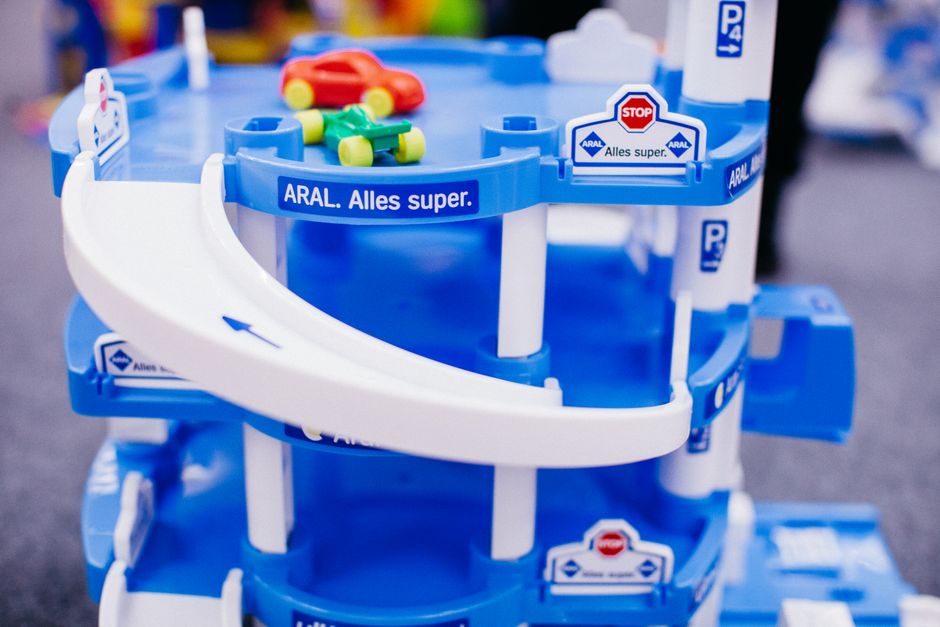
One of the most notable trends in the children toy industry is the shift towards educational toys. Manufacturers are increasingly focusing on creating toys that not only entertain but also promote learning and development. For instance, toys that encourage STEM (Science, Technology, Engineering, and Mathematics) skills are becoming increasingly popular. Research indicates that the global educational toys market is expected to reach $30 billion by 2025, reflecting a growing interest from parents in toys that contribute to cognitive development.
Moreover, the rise of digital technology has influenced how toys are designed and marketed. Interactive toys that incorporate digital elements, such as apps and augmented reality, are gaining traction. These toys provide a hybrid experience that combines physical play with digital engagement, appealing to tech-savvy children and parents alike.
The Importance of Safety Standards
Safety is a paramount concern in the children toy manufacturing industry. As regulatory bodies impose stricter safety standards, manufacturers must ensure their products comply with these regulations. The American Society for Testing and Materials (ASTM) and the Consumer Product Safety Commission (CPSC) have established guidelines that outline the necessary safety requirements for toys. Manufacturers invest significantly in testing and certification processes to reassure consumers about the safety of their products.
Additionally, there is a growing awareness among consumers regarding the materials used in toys. Parents are increasingly seeking non-toxic, environmentally friendly options. As a response, many toy manufacturers are now prioritizing sustainable materials, such as organic cotton and recycled plastics, to attract eco-conscious buyers. For example, companies like Green Toys and PlanToys are known for their commitment to sustainability.
Innovations Driving the Industry Forward
Innovation is at the heart of the children toy manufacturing industry. From robotics to 3D printing, technology is revolutionizing how toys are created and enjoyed. Robotics, in particular, has opened new avenues for interactive play. Toys that can be programmed or controlled via smartphones are not only entertaining but also educational, teaching children about coding and engineering concepts.
3D printing technology is also transforming the manufacturing process. It allows for rapid prototyping and customization, enabling manufacturers to create unique toys that cater to individual preferences. This technology reduces waste and enhances design flexibility, making it easier for companies to bring creative ideas to life.
Challenges Facing Toy Manufacturers
Despite the promising trends and innovations, the children toy manufacturing industry faces several challenges. One significant challenge is the intense competition in the market. With numerous players vying for attention, companies must continually innovate and differentiate their products to stand out. This often requires substantial investment in research and development.
Furthermore, the global supply chain disruptions, especially in the wake of the COVID-19 pandemic, have posed significant hurdles for manufacturers. Delays in raw material supply and increased shipping costs have forced many companies to rethink their supply chain strategies. As a result, some manufacturers are exploring local sourcing options to mitigate these challenges.
The Future of Children Toy Manufacturing
Looking ahead, the future of children toy manufacturing appears bright, driven by ongoing innovation and a focus on consumer needs. Manufacturers are likely to continue prioritizing educational and interactive toys while embracing sustainable practices. The integration of technology will further enhance play experiences, making toys more engaging than ever before.
As the industry evolves, partnerships between toy manufacturers and educational institutions may become more prevalent. Collaborations could lead to the development of toys that align with educational curricula, fostering a seamless integration of play and learning. Additionally, the trend towards personalized toys, where children can customize their play experiences, is expected to gain momentum.
In conclusion, the children toy manufacturing industry is undergoing a significant transformation, influenced by various factors including consumer preferences, safety standards, and technological advancements. As a result, companies must stay agile and responsive to these changes to remain competitive in the ever-evolving marketplace. For those looking to explore quality products, a reliable source is a seasoned children toy manufacturer, which exemplifies innovation and commitment to safety.