
In recent years, aerial drone photography has revolutionized the way we capture images from above. With the advent of affordable and user-friendly drones, both amateurs and professionals alike are taking to the skies to document breathtaking landscapes, urban settings, and events from unique perspectives. This article delves into the various aspects of aerial drone photography, including its benefits, techniques, and applications.
Understanding Aerial Drone Photography
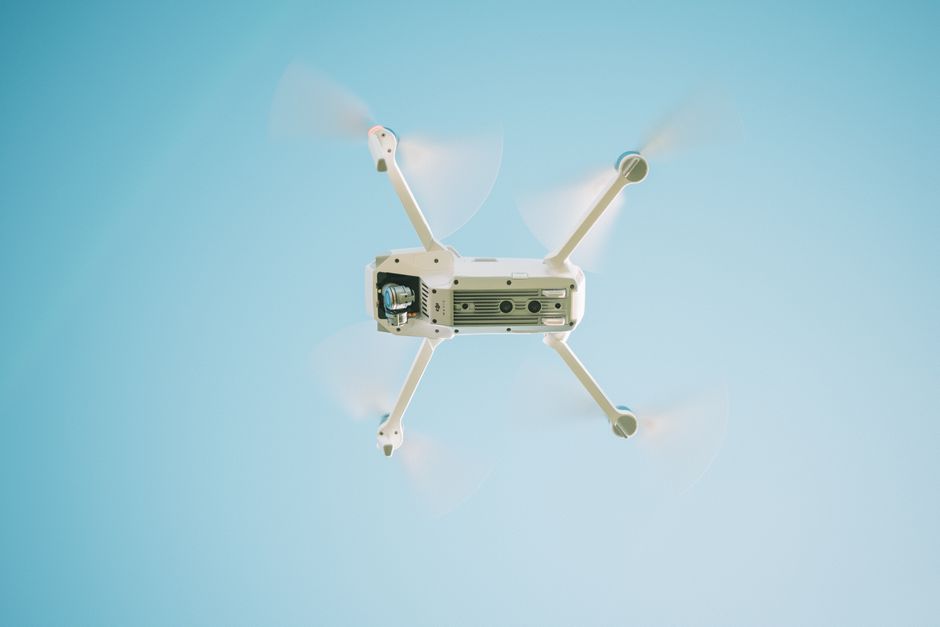
Aerial drone photography refers to the practice of capturing images and videos from an elevated position using unmanned aerial vehicles (UAVs), commonly known as drones. This technology has made it possible for photographers to access hard-to-reach locations and create stunning visuals that were previously difficult or impossible to achieve. With high-resolution cameras mounted on drones, the quality of images has significantly improved, allowing for detailed and vibrant captures.
The rise of aerial photography can be attributed to advancements in drone technology, including improved battery life, enhanced stability, and sophisticated camera systems. These developments have made drones more accessible to hobbyists and professionals, thus expanding the market for aerial photography. Additionally, regulatory changes in many countries have allowed for safer and more widespread use of drones in various industries.
Benefits of Aerial Drone Photography
One of the primary advantages of aerial drone photography is its ability to provide a fresh perspective. Traditional photography methods often limit the viewpoint to ground level, but drones can ascend to impressive heights, offering wide-angle views and unique compositions. This perspective is particularly valuable for capturing expansive landscapes, such as mountains, forests, and coastlines.
Moreover, aerial photography is invaluable in sectors such as real estate, construction, and agriculture. For instance, real estate agents can showcase properties from above, highlighting the surrounding amenities and landscape. In construction, drones can be used to monitor progress, assess site conditions, and create detailed 3D models. In agriculture, drone imagery allows farmers to monitor crop health and optimize resource management, leading to improved yields.
Techniques for Successful Aerial Photography
To excel in aerial drone photography, photographers must master various techniques. One fundamental aspect is understanding the drone’s flight capabilities and how to control it effectively. Familiarity with the drone’s features, such as altitude limits and camera settings, is crucial for capturing high-quality images.
Another essential technique is composition. Just as in traditional photography, the rule of thirds applies to aerial photography. By positioning subjects along these lines or at their intersections, photographers can create more engaging and balanced images. Additionally, paying attention to lighting conditions is vital; shooting during the golden hour—shortly after sunrise or before sunset—can result in softer and more dynamic lighting.
Post-processing is also a critical step in aerial photography. Utilizing software such as Adobe Lightroom or Photoshop can enhance colors, contrast, and sharpness, transforming good images into stunning visuals. Careful editing can help elevate the overall quality of the photographs and make them more appealing to viewers.
Challenges in Aerial Drone Photography
Despite its many benefits, aerial drone photography comes with its own set of challenges. One of the most significant concerns is compliance with regulations. Different countries have varying laws regarding drone flights, including restrictions on where and when drones can be flown. Photographers must ensure they are familiar with these regulations to avoid fines or legal repercussions.
Weather conditions also play a vital role in aerial photography. Wind, rain, and poor visibility can hinder flight operations and affect image quality. Photographers must be prepared to adapt to changing weather conditions and have backup plans in case of unfavorable circumstances.
Future Trends in Aerial Drone Photography
The future of aerial drone photography looks promising, with continuous advancements in technology. Innovations such as AI-powered drones and improved imaging sensors are set to enhance the capabilities of aerial photography further. These technologies will enable photographers to automate certain processes, allowing for more creative freedom and efficiency.
Moreover, the integration of drones with other technologies, such as virtual reality (VR) and augmented reality (AR), could open new avenues for immersive experiences. As these technologies evolve, aerial drone photography will likely play a significant role in shaping how we interact with visual content.
Conclusion
Aerial drone photography has transformed the way we perceive and capture the world around us. With its unique perspectives and applications across various industries, it continues to gain popularity among photographers and businesses alike. By understanding the techniques, benefits, and challenges associated with this medium, aspiring aerial photographers can elevate their skills and create stunning images that captivate audiences. For those interested in exploring this exciting field, resources such as aerial drone photography services are readily available to help navigate the complexities of drone operation and image capture.