In recent years, the use of drones for photography has transformed the way we capture and experience the world around us. Aerial drone photography offers a unique perspective that traditional photography simply cannot achieve. With the ability to soar high above landscapes, cities, and events, drones provide stunning visuals that are both breathtaking and informative. This article delves into the intricacies of aerial drone photography, exploring its applications, benefits, and the technology that powers it.
The Rise of Aerial Drone Photography
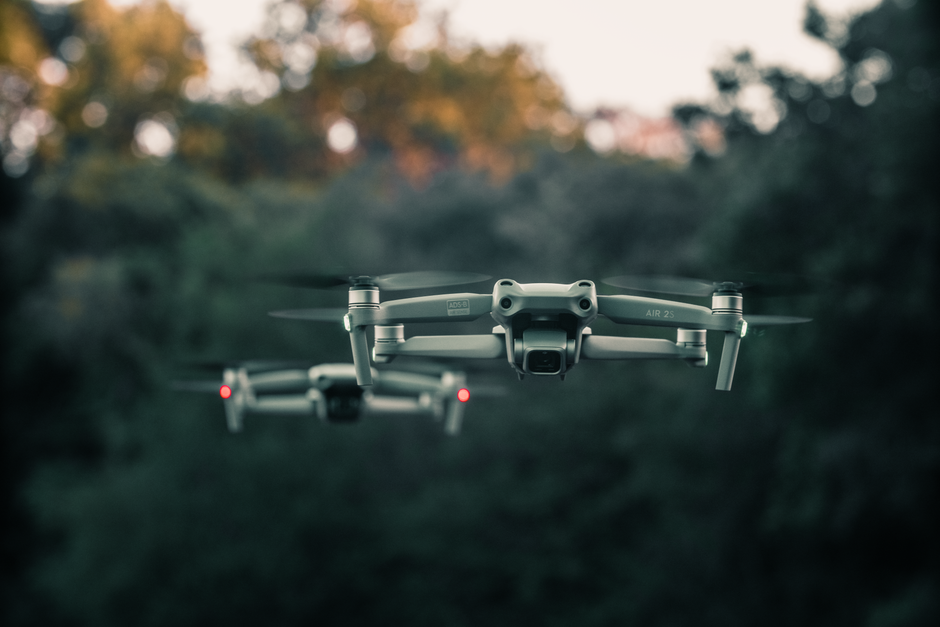
The advent of drone technology has revolutionized many industries, and photography is no exception. Drones equipped with high-resolution cameras can easily capture images from angles that were once difficult or impossible to reach. According to a recent study, the global market for drone photography is expected to grow at a compound annual growth rate (CAGR) of 15.5% from 2021 to 2028. This growth is fueled by advancements in drone technology and the increasing demand for aerial imagery in various fields.
From real estate to environmental monitoring, the versatility of aerial drone photography is remarkable. Real estate agents use drones to showcase properties from above, providing potential buyers with a comprehensive view of the estate and its surroundings. Similarly, environmental scientists utilize drone imagery to assess changes in land use, monitor wildlife, and track vegetation growth. The applications are virtually limitless, making aerial photography an invaluable tool across sectors.
Advantages of Using Drones for Photography
Aerial drone photography presents numerous advantages that enhance the quality and efficiency of capturing images. One of the primary benefits is the cost-effectiveness of using drones compared to traditional methods. Hiring a helicopter or plane for aerial photography can be prohibitively expensive, while drones offer a more affordable alternative without compromising quality.
Additionally, drones provide unparalleled accessibility. They can reach areas that are difficult or dangerous for humans to access, such as remote locations or disaster-stricken areas. This capability allows photographers to capture unique shots that would otherwise remain unseen. Furthermore, drones are equipped with advanced stabilization technology, ensuring that images are sharp and clear, even in windy conditions.
Technological Innovations in Drone Photography
The technology behind aerial drone photography continues to evolve rapidly. Modern drones are equipped with high-definition cameras, GPS, and various sensors that enhance their imaging capabilities. For instance, many drones now feature 4K video recording, allowing for stunning cinematic footage that can be used in everything from marketing materials to documentaries.
Moreover, advancements in software have made it easier for photographers to edit and process aerial images. Programs designed specifically for drone footage allow users to stitch together images seamlessly, create 3D models, and even generate topographical maps. These tools are crucial for industries that rely on precise data collection and analysis, such as agriculture and urban planning.
Challenges and Considerations in Aerial Drone Photography
Despite its many benefits, aerial drone photography is not without challenges. One significant concern is the regulatory landscape surrounding drone usage. In many countries, drone operators must adhere to strict regulations regarding where and how drones can be flown. Obtaining the necessary licenses and permits can be a time-consuming process, but it is essential for ensuring safety and compliance.
Additionally, weather conditions can significantly impact drone operations. High winds, rain, and snow can hinder a drone’s ability to fly safely and capture clear images. Photographers must carefully monitor weather forecasts and be prepared to adjust their plans accordingly. Understanding these challenges is crucial for anyone looking to venture into the world of aerial drone photography.
Future Trends in Aerial Drone Photography
The future of aerial drone photography looks promising as technology continues to advance. One notable trend is the integration of artificial intelligence (AI) in drone systems. AI can enhance image processing capabilities, enabling drones to automatically identify and track subjects, create stunning time-lapse photography, and optimize flight paths for capturing the best angles.
Furthermore, as consumer drones become more accessible, we can expect to see an increase in amateur photographers exploring aerial photography. This democratization of technology will likely lead to a surge in creative storytelling through aerial imagery. As more individuals capture their unique perspectives, the variety and richness of content available will undoubtedly expand.
In conclusion, aerial drone photography is a dynamic and increasingly popular field that offers unique perspectives and innovative applications. With the right tools and knowledge, photographers can harness the power of drones to capture stunning visuals that tell compelling stories. Whether for professional use or personal enjoyment, the world of aerial photography continues to evolve, inviting everyone to explore the beauty of our planet from above. For those interested in venturing into this exciting field, resources such as aerial drone photography companies can provide valuable insights and assistance.