
In the highly competitive world of dining, the importance of restaurant interior design cannot be overstated. The aesthetic appeal of a restaurant is often the first impression potential customers receive, and it plays a significant role in their overall experience. From color schemes to furniture choices, every element in the interior design contributes to the atmosphere and can influence diners’ perceptions and behaviors.
The Importance of First Impressions
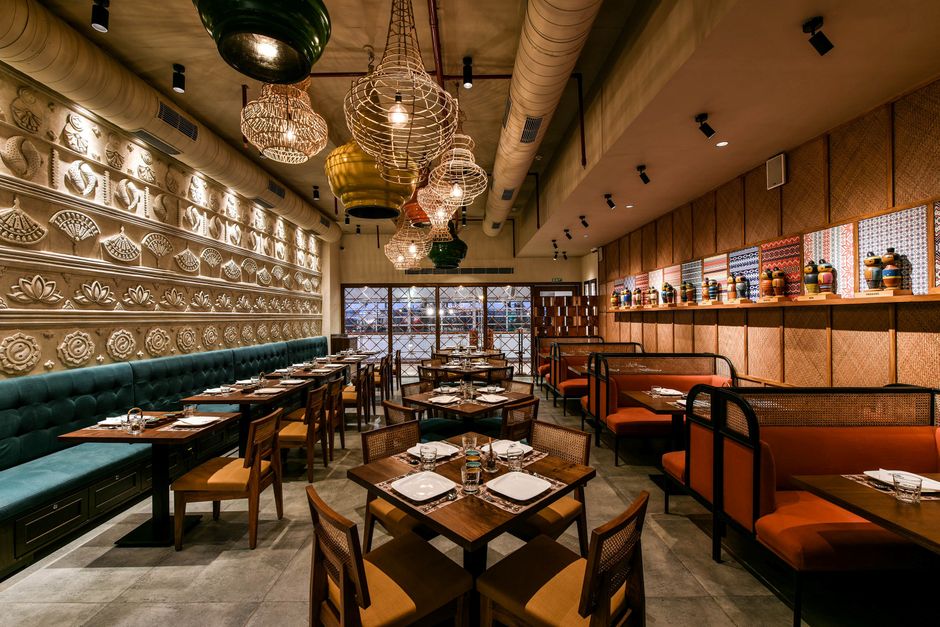
First impressions are crucial in the restaurant business. Research indicates that customers form an opinion about a restaurant within the first few seconds of entering. This initial judgment is often based on the restaurant’s design, layout, and overall ambiance. An inviting and well-thought-out interior can draw customers in, making them more likely to stay and enjoy their meal. A restaurant that neglects its interior design risks turning away patrons before they even have a chance to experience the food and service.
For instance, a study conducted by the Cornell University School of Hotel Administration found that well-designed interiors can increase customer satisfaction significantly. This satisfaction leads to repeat visits and positive word-of-mouth, which are essential for a restaurant’s success.
Key Elements of Successful Interior Design
Several key elements contribute to successful restaurant interior design. These include color, lighting, furniture, and layout. Each component must work harmoniously to create a cohesive look and feel.
Color plays a foundational role in setting the mood of a restaurant. Warm colors like red and orange can stimulate appetite, while cooler colors like blue and green tend to have a calming effect. The choice of color should align with the restaurant’s theme and target demographic. For example, a family-friendly diner might opt for bright, cheerful colors, while a fine dining establishment might choose more subdued, elegant hues.
Lighting is another critical aspect. The right lighting can enhance the dining experience by creating an inviting atmosphere. Natural light is often preferred during the day, while softer, ambient lighting is ideal for evening dining. Additionally, unique light fixtures can serve as focal points and design statements within the space.
Creating Functional Spaces
The layout of a restaurant is essential for both customer flow and staff efficiency. A well-thought-out layout facilitates movement and ensures that diners can enjoy their meals without feeling cramped. Open floor plans can create a sense of community, while more segmented spaces can provide intimacy for couples or small groups.
Moreover, the placement of furniture affects not only the aesthetics but also the functionality of the space. Tables and chairs should be arranged to allow for easy navigation and to maximize seating without compromising comfort. For example, allowing at least 36 inches between tables can ensure privacy while also accommodating waitstaff movement.
Incorporating Branding into Design
Restaurant interior design should also reflect the establishment’s branding. A cohesive brand identity can significantly enhance the dining experience. Elements such as logos, color schemes, and design motifs should be integrated into the interior to reinforce the restaurant’s theme and values.
For example, a farm-to-table restaurant might incorporate natural materials like wood and stone into its design, emphasizing sustainability and freshness. Similarly, a modern sushi bar might feature sleek lines and minimalist decor to convey sophistication and freshness. This alignment between design and branding helps create a memorable experience that resonates with customers.
Trends in Restaurant Interior Design
The world of restaurant interior design is ever-evolving. Current trends include sustainability, biophilic design, and the use of technology. More restaurants are prioritizing eco-friendly materials and practices, such as reclaimed wood and energy-efficient lighting.
Biophilic design, which incorporates elements of nature into the interior, is gaining popularity as well. This can include living walls, indoor plants, and natural light, which not only enhance aesthetic appeal but also contribute to diners’ well-being.
Technology is also reshaping restaurant interiors. From digital menus to contactless payment systems, integrating technology can streamline operations and enhance the customer experience. Restaurants should consider how technology can be seamlessly incorporated into their design without detracting from the ambiance.
Conclusion
In conclusion, restaurant interior design is a critical aspect of creating a successful dining experience. By carefully considering elements such as color, lighting, layout, and branding, restaurant owners can create inviting spaces that resonate with customers. The importance of a well-designed interior goes beyond aesthetics; it influences customer behavior and satisfaction. As the industry continues to evolve, staying informed about design trends and innovations will be vital for any restaurant looking to thrive in a competitive market. For those seeking inspiration in restaurant interior design, a wealth of resources and ideas are readily available.