
Kitchen remodeling is more than just a trend; it’s a necessity for many homeowners looking to enhance their living space. Whether you are planning a full-scale renovation or simply updating a few elements, understanding the important aspects of the process can save you time and money. In this comprehensive guide, we will explore various components of kitchen remodeling, offering practical advice and insights to help you create the kitchen of your dreams.
Understanding the Basics of Kitchen Remodeling
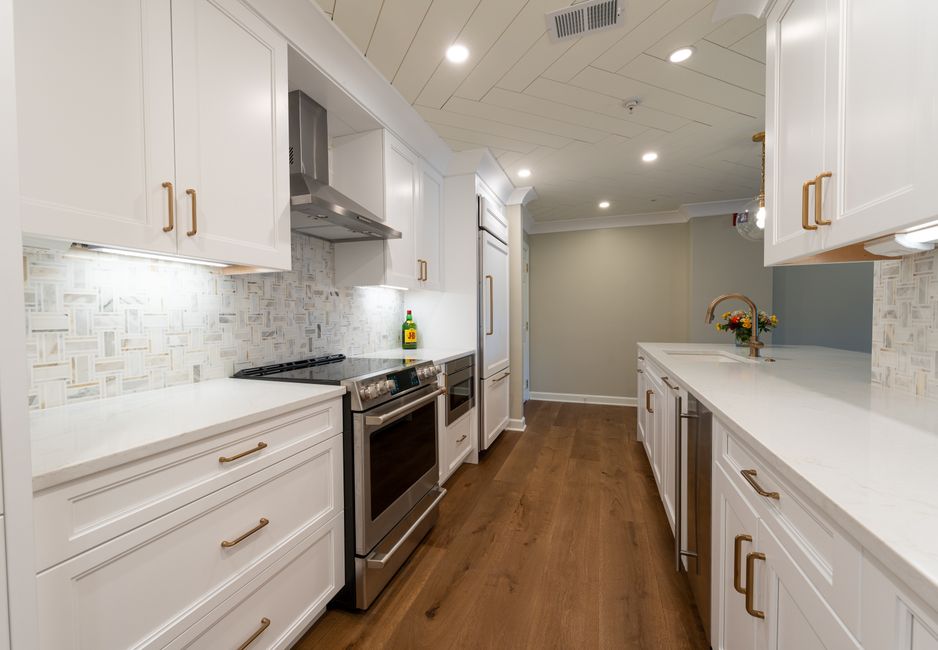
Before diving into the specifics of remodeling, it’s crucial to grasp the fundamentals. Kitchen remodeling involves altering the layout, design, and functionality of your kitchen. This can include everything from changing cabinets and countertops to altering plumbing and electrical systems. The first step is to assess your current kitchen and identify what you want to change. Are you looking for more storage, better workflow, or simply a fresh look? Understanding your needs will set the foundation for your project.
According to a survey by the National Association of Home Builders, 70% of homeowners prioritize upgrading their counter space and cabinetry. These elements are not only functional but also play a significant role in the overall aesthetic of your kitchen. Investing in durable, stylish materials can yield long-term benefits in both usability and property value.
Setting a Budget
One of the most critical aspects of kitchen remodeling is establishing a realistic budget. Costs can vary significantly based on the scope of the project, materials chosen, and labor costs in your area. On average, a minor kitchen remodel costs around $20,000, while a major renovation can exceed $50,000. It’s essential to prioritize your spending based on your needs and desires.
Consider allocating funds for unexpected expenses, which often arise during renovations. A good rule of thumb is to set aside an additional 10-20% of your budget for contingencies. This cushion can help manage surprises without derailing your remodeling plans.
Choosing the Right Materials
When it comes to kitchen remodeling, the materials you choose will have a lasting impact on both the functionality and aesthetic appeal of your kitchen. Popular choices for countertops include granite, quartz, and butcher block, each offering unique benefits and styles. For cabinetry, solid wood remains a favorite for its durability and timeless appeal, while laminate offers a budget-friendly alternative.
Additionally, flooring options like tile, vinyl, and hardwood can dramatically affect the overall look and feel of the kitchen. Consider the maintenance and longevity of the materials you choose, ensuring they align with your lifestyle and design vision.
As you explore options, it’s also wise to consult resources that provide extensive ideas for kitchen remodeling. This can inspire your selections and help you visualize the final outcome.
Maximizing Space and Functionality
In many homes, the kitchen serves as a gathering place, making it vital to maximize both space and functionality. Open-concept designs have gained popularity, as they create a seamless flow between the kitchen and adjacent living areas. Consider incorporating an island or a breakfast bar to provide additional seating and workspace.
Storage is another critical component of functionality. Custom cabinetry can help utilize vertical space, while pull-out shelves and corner cabinets enhance accessibility. A well-organized kitchen not only improves efficiency but also contributes to a tidy and inviting atmosphere.
Final Touches and Design Details
Once the major components of your kitchen remodel are in place, it’s time to focus on the finishing touches. Lighting plays a crucial role in the overall ambiance of your kitchen. Layered lighting, which includes ambient, task, and accent lighting, can enhance both functionality and aesthetics.
Additionally, selecting the right hardware for cabinets and drawers can elevate the design. Consider modern fixtures that complement your style, whether it’s sleek and contemporary or rustic and traditional. Small details, such as backsplash tiles and decorative accents, can also add personality and flair to your newly remodeled kitchen.
Conclusion
Kitchen remodeling is an exciting journey that can significantly enhance your home’s value and livability. By understanding the basics, setting a budget, choosing the right materials, maximizing functionality, and focusing on the final details, you can create a space that reflects your style and meets your needs. Remember to plan thoroughly and seek inspiration, and you’ll be well on your way to enjoying a stunning new kitchen.